14,440 people live in West Milford, where the median age is 48.4 and the average individual income is $55,562. Data provided by the U.S. Census Bureau.
Total Population
Median Age
Population Density Population Density This is the number of people per square mile in a neighborhood.
Average individual Income
There is a moment that happens to almost every buyer I bring up here for the first time. You come off Route 23, turn onto Union Valley Road, and within about four minutes the shoulder stops being a shoulder and starts being forest. Cell service gets thoughtful. Then you crest a rise and there is water through the trees — and the person in my passenger seat, who twenty minutes ago was talking about commute times, goes quiet.
That is West Milford. Eighty square miles of northern Passaic County, semi-rural, heavily wooded, wrapped around a scattering of lakes and reservoirs, sitting roughly 40 miles northwest of Manhattan. It is the largest municipality in the county by land area and one of the least dense by feel. People here call it the Heart of the Highlands, and the name is earned: the township borders New York State and is hemmed in by Wawayanda and Ringwood State Parks, protected watershed land, and ridgelines that carry the Appalachian Trail.
What I want you to understand before you read another word is that West Milford is not a suburb that happens to have lakes. It is a collection of lake communities that happen to share a township government, a school district, and a ZIP code system that confuses everyone. Buying here well means understanding which community you're actually buying into — because the difference between Upper Greenwood Lake and Pinecliff Lake and Bald Eagle Village is not a matter of a few blocks. It's a matter of an entirely different daily life, an entirely different set of dues, and in some cases an entirely different answer to whether you can put a boat with a motor on the water outside your window.
This guide walks through all of it: where the neighborhoods are, what homes cost, what the carrying costs really look like once you add wells and septic and heating oil, what the schools offer, how people actually get to work, and the handful of due-diligence items that separate a smooth West Milford closing from an expensive surprise.
West Milford occupies the far northern corner of Passaic County, sharing its northern boundary with New York State. To the east is Ringwood and the Bergen County line beyond it; to the west, Sussex County and Vernon; to the south, the Route 23 corridor that leads down toward Butler, Riverdale, and eventually I-287.
Route 23 is the township's commercial and transit artery, running along the southwest edge. It's where you'll find the drive-through pharmacies, the auto shops, the plazas, and the on-ramp to the rest of New Jersey. It connects to I-287, which in turn opens up Route 46, I-80, and the whole northern New Jersey corporate corridor.
Union Valley Road is the spine. It runs north from Route 23 through the middle of the township and links the scattered lake communities to the town center, the ShopRite, the high school, and the municipal complex. If someone tells you they live "off Union Valley," that could mean any of a dozen very different pockets, which is why I always ask a follow-up question.
Greenwood Lake Turnpike and Marshall Hill Road carry you toward the northern end and the New York border.
Here is the honest part: this is a driving town. Two cars per household is the norm, not the exception, and if you have teenagers you should mentally budget for a third. There is no supermarket you can walk to from most neighborhoods. There is no downtown grid. Winter driving on steep, narrow lake-community roads is a real skill, and I'll come back to that in the buyer due-diligence section because it matters more than most people expect.
That said, the transit situation is better than West Milford's remoteness suggests. NJ Transit Bus 197 runs directly from the West Milford Park & Ride into Manhattan's Port Authority Bus Terminal, with additional stops along Greenwood Lake Turnpike and Marshall Hill Road. There is no train station in the township, but commuter rail is reachable — NJ Transit's Main/Bergen County line is a 20-to-25-minute drive east toward Mahwah, or you can cross into New York and pick up service at Tuxedo.
This is the section I wish every buyer read before their first showing. West Milford's mailing addresses do not match its neighborhoods, its neighborhoods do not match its school zones, and the lake associations operate under rules that vary lake by lake. Here's how it actually breaks down.
Greenwood Lake and Upper Greenwood Lake sit at the northern tip, straddling the New York/New Jersey border. Greenwood Lake itself is the big one — roughly nine miles long, motorboat-friendly, and the closest thing this area has to a genuine boating culture. Upper Greenwood Lake is a separate body of water and a substantial year-round association community with its own beaches, clubhouse, and boating privileges. Both draw a mix of full-time residents and families who came up for summers as kids and eventually bought.
Hewitt is the northernmost postal section, surrounding Greenwood Lake. It functions as the practical hub for the northern half of the township — local shops, the post office, and the trailheads into Abram S. Hewitt State Forest. If you want the state-park-out-your-back-door version of West Milford, look here.
Newfoundland and Oak Ridge anchor the southern portion along Route 23. These are historic postal names with real identities attached — established residential streets, local businesses, reservoir access, and the shortest drive to I-287 and points south. Buyers who need to be at a desk in Parsippany by 8:30 tend to end up here, and for good reason.
Awosting runs along the eastern shore of Greenwood Lake. It's tight-knit and slightly hidden, known for waterfront access, private docks, and a genuinely secluded feel. Inventory here is thin and moves on relationships as much as on listings.
Pinecliff Lake is centrally located near the town center and orbits a roughly 90-acre lake. It has private beaches, a clubhouse, and one of the more active community calendars in the township. Critically, Pinecliff is a non-motorized lake — kayaks, paddleboards, canoes, electric trolling motors. Families who want swimming and quiet water rather than wake and engine noise gravitate here, and the central location means the ShopRite and the schools are genuinely close.
Bald Eagle Village is the township's major townhome community, tucked near Route 23. It's the answer for buyers who want West Milford's setting without West Milford's maintenance load — condo-style living, exterior upkeep handled, woods and mountain views out the window. It's also the most reliable entry point into the township for downsizers and for first-time buyers who don't want to inherit a well and a septic tank on day one.
Beyond these, the township holds a constellation of smaller lake enclaves — Lindys Lake, Wonder Lake, West Milford Lake, Gordon Lakes — each wooded, each organized around water and a community association, each with its own personality and its own rulebook.
The practical takeaway: never evaluate a West Milford listing without knowing which association it falls under, whether membership is mandatory or voluntary, what the dues are, and what the boating rules say. Two houses a mile apart can have completely different answers.
West Milford is the value play of northern New Jersey's outdoor-lifestyle market. You are buying acreage, tree cover, and lake access at prices that would not get you a starter colonial in much of Bergen County.
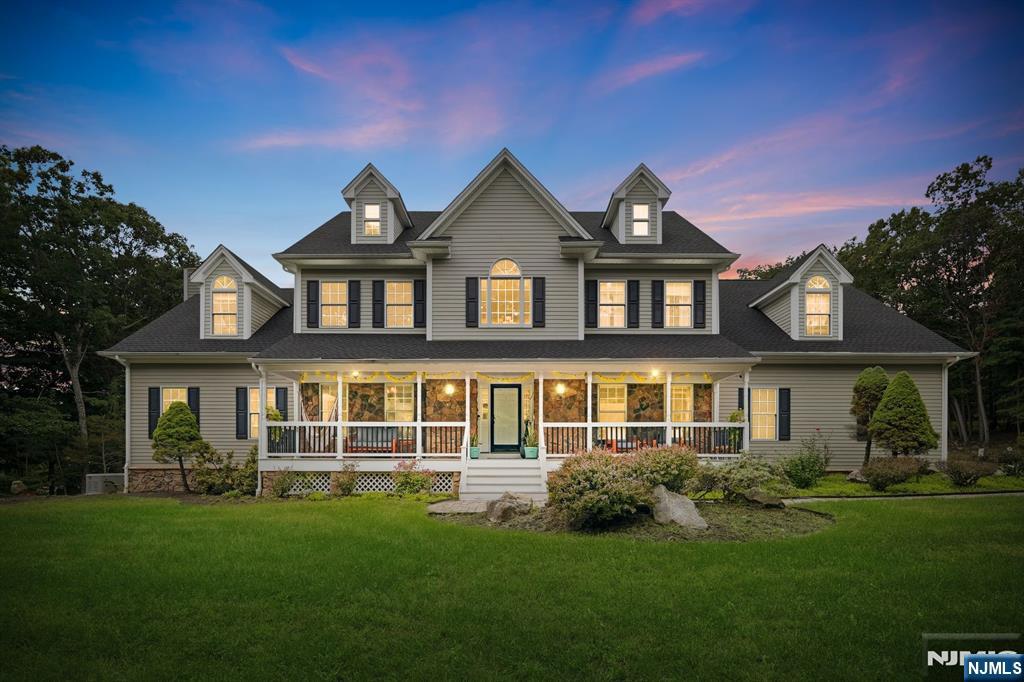
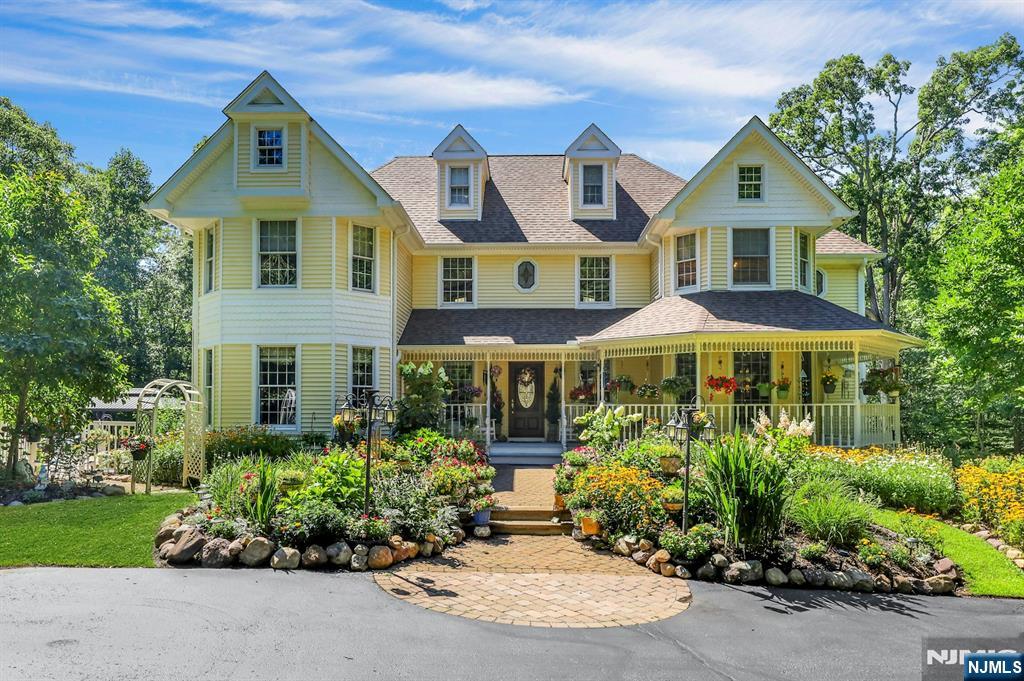
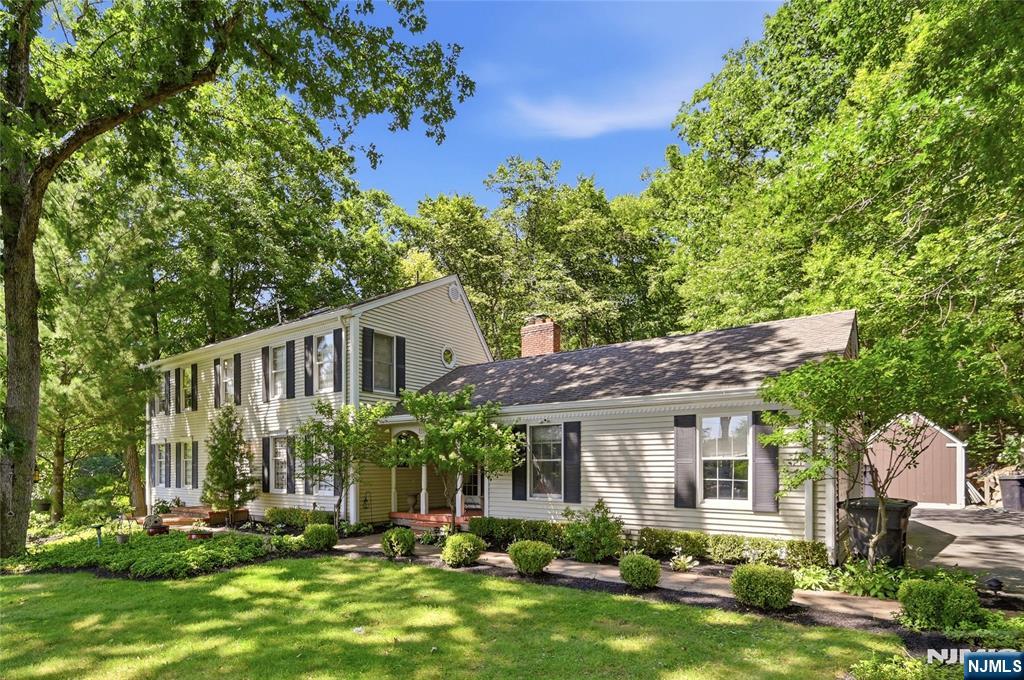
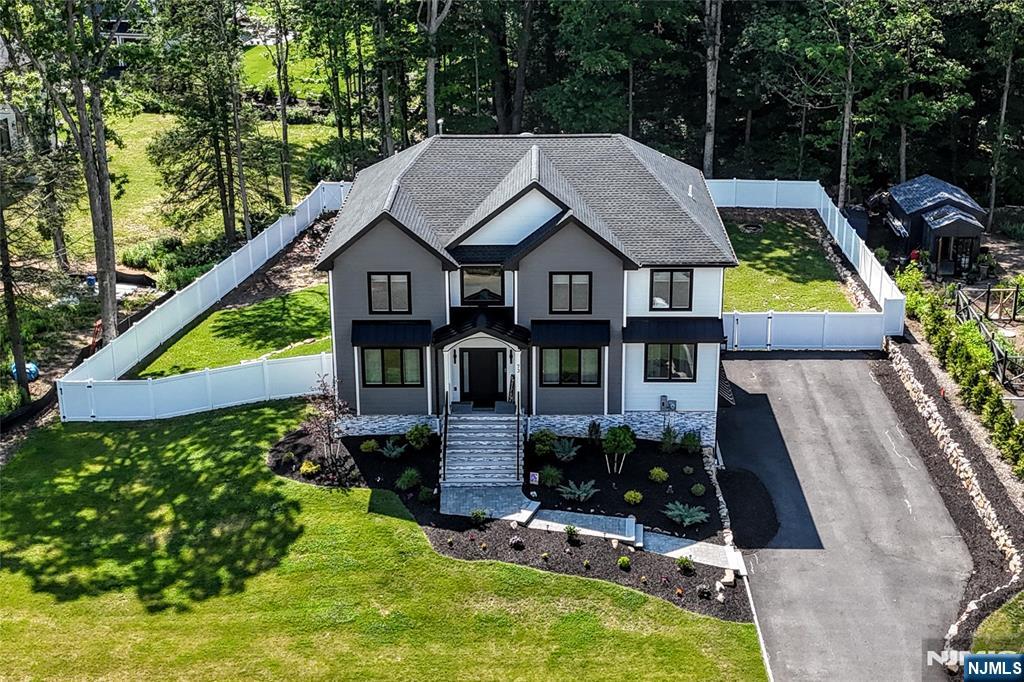
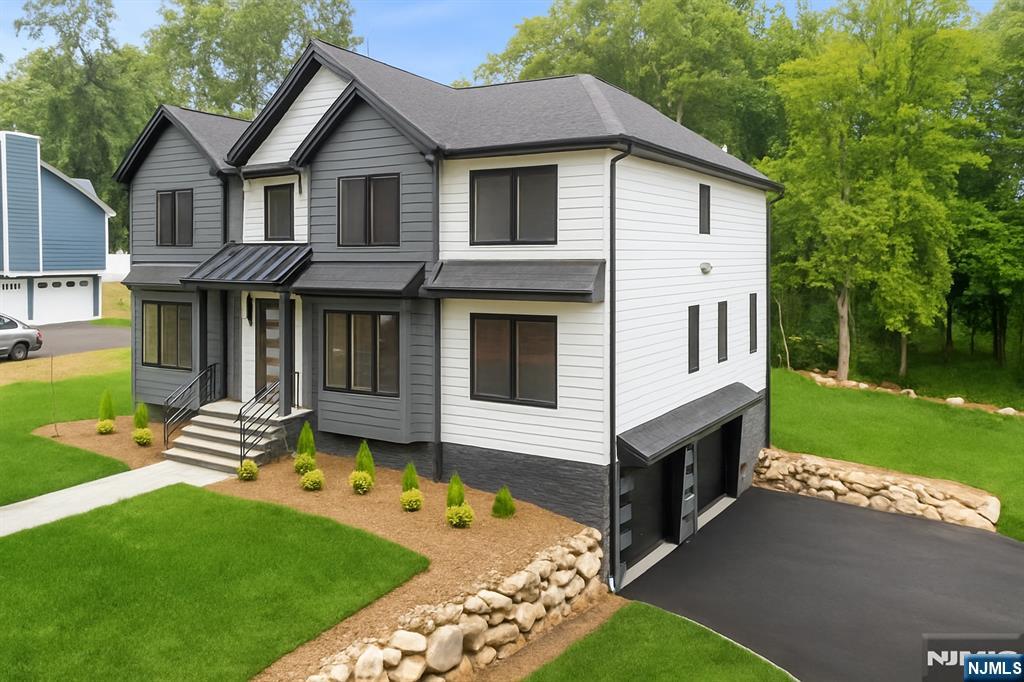
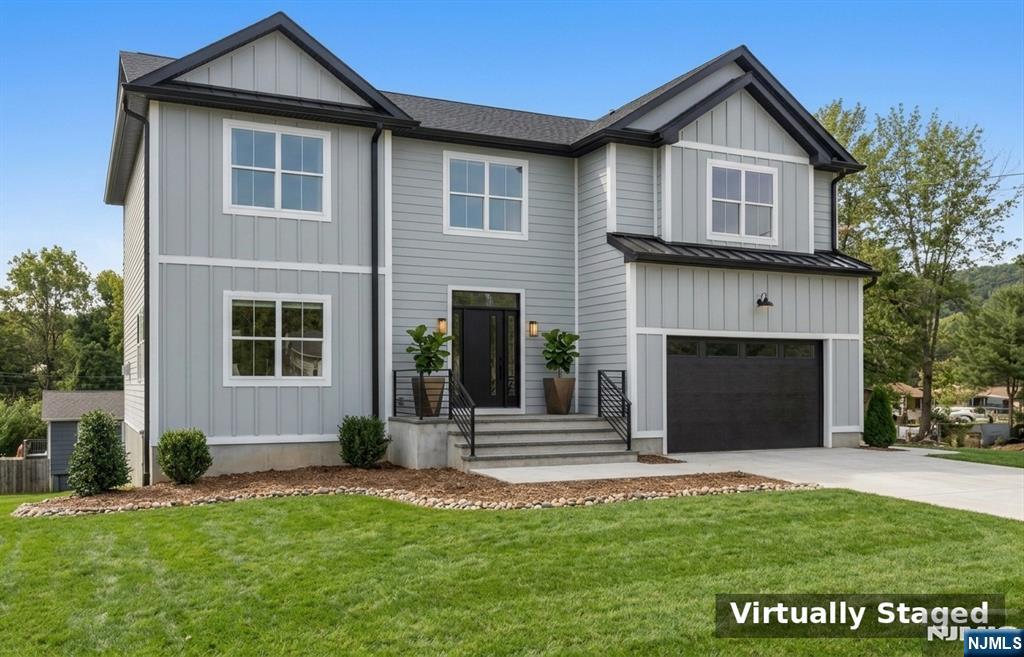
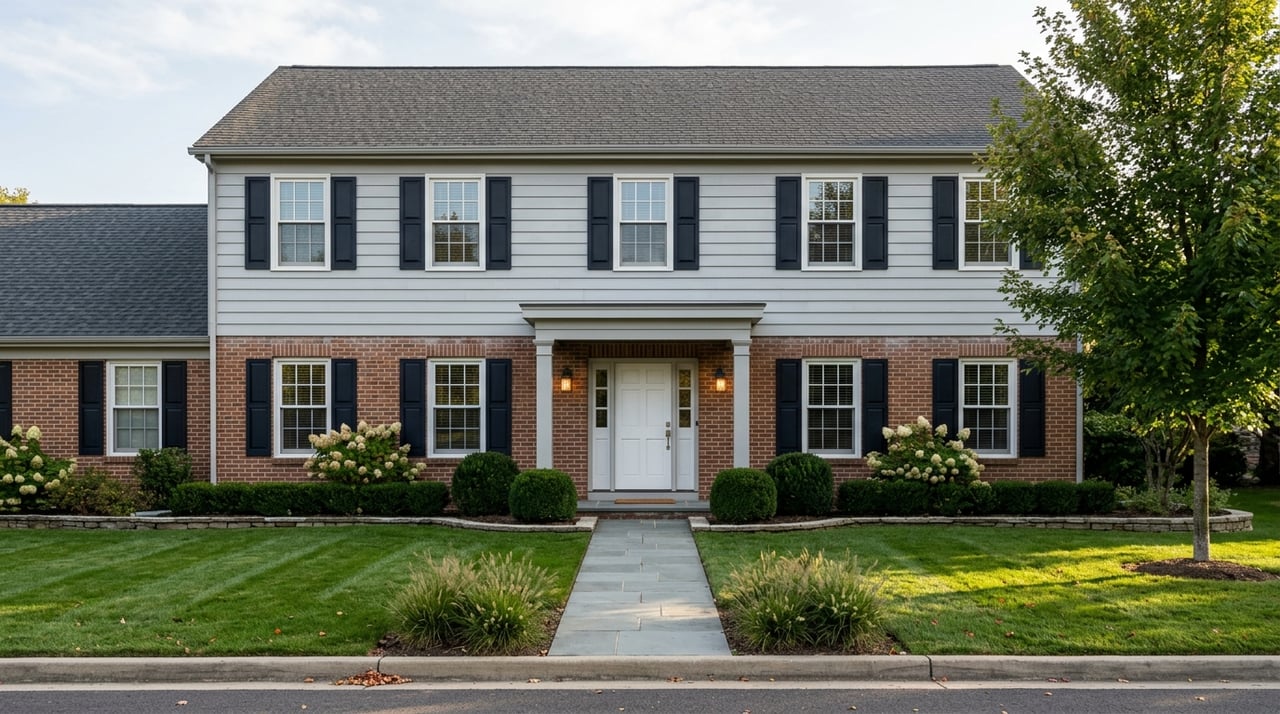
Housing styles run a wider range here than in most townships, because the building history is unusual. A lot of the older inventory started as 1930s–1950s summer cabins that were converted to year-round use somewhere along the way. Alongside those you'll find classic ranches, raised ranches, expanded splits, a healthy supply of modern custom colonials on wooded lots, and the low-maintenance townhomes at Bald Eagle Village.
Home values generally run from about $250,000 to $700,000 and up, with the township median hovering near $470,000–$500,000.
Price Range | What It Typically Buys |
|---|---|
$200,000 – $350,000 | Starter homes, unrenovated seasonal cottages, and smaller one-to-two-bedroom lake cabins. Expect to budget for updating, and often for septic or system upgrades. |
$350,000 – $550,000 | The heart of the market. Updated three-to-four-bedroom ranches, split-levels, and townhomes with private yards, renovated kitchens, and neighborhood lake access. |
$550,000 – $800,000+ | Larger modern colonials, move-in-ready homes on real acreage, and true lakefront property with private docks and open water views. |
A word on how this market behaves: lakefront and lake-rights properties trade on a different clock than the rest of the inventory. Interior wooded lots follow the broader northern New Jersey rhythm. Waterfront listings — particularly on Greenwood Lake and Upper Greenwood Lake — spike hard in spring, draw buyers from well outside the county, and can move fast when the right one comes up. If waterfront is the goal, being pre-approved and ready in February rather than June is a meaningful advantage.
This is where local knowledge earns its keep, because the rules are genuinely not uniform.
Most lake neighborhoods here operate under Private Property Owners Associations (POAs). Annual dues typically run somewhere between $300 and $1,000+, and in exchange you get access to private beaches, playgrounds, boat launches, and in many cases a community clubhouse that anchors the neighborhood's social calendar.
The first question to ask about any listing is whether the association is mandatory or voluntary. Some communities tie membership directly to the deed — you own here, you pay, full stop. Others offer optional membership for beach and facility access. Neither is better; they're just different, and the answer affects both your carrying costs and your resale story.
The second question is about boating, and the answer varies dramatically:
I've had buyers fall in love with a house on a beautiful lake and then discover their boat isn't allowed on it. Ask early.
One more structural note that belongs here: much of the township runs on private wells and septic systems rather than public utilities. That's part of what keeps the land feeling open, and it's also a maintenance responsibility you're taking on. More on that in the buyer section below.
Acquisition costs are lower than most of Passaic and Bergen counties. Carrying costs are a different conversation, and it's one I'd rather have with you honestly up front than have you discover it in month three.
Property taxes are the largest line item. Expect an effective rate in the range of 2.2%–2.4%. On a home in the township's typical $450,000–$500,000 band, that generally translates to roughly $9,500 to $12,000+ annually.
Association dues are the second layer. Lake community POA dues commonly run $300 to $1,200+ per year, scaling with what the association maintains — a lake supporting powerboats, launches, and a staffed beach costs more to run than a small pond with a swim dock. Townhome HOAs like Bald Eagle Village work differently, typically $300–$500 per month, but they're covering exterior building maintenance and grounds, so you're offloading real work along with the money.
Utilities and infrastructure are where West Milford differs most from a conventional suburb:
None of this is a reason not to buy here. It's a reason to build your real monthly number before you fall in love, rather than after.
The West Milford Township Public School District serves the entire township as a comprehensive K–12 district enrolling roughly 3,000 students — small enough that the high school graduation feels like a town event, large enough to support real programming.
Elementary (PK–5) is handled by five neighborhood schools: Apshawa, Maple Road, Marshall Hill, Paradise Knoll, and Upper Greenwood Lake. Because the township is so geographically spread out, these schools genuinely function as neighborhood anchors — which school your children attend has a real effect on where your family's social life takes root. Confirm the assignment for any specific address rather than assuming based on the mailing address.
Macopin Middle School serves grades 6–8 and brings the whole township's students together for the first time.
West Milford High School covers grades 9–12 and is known locally for competitive athletics, strong outdoor and field facilities, and a well-regarded music and marching band program.
For families exploring private and parochial options, the surrounding region opens up more than the township's remoteness suggests. Catholic elementary options are available in nearby communities. Pope John XXIII Regional High School in Sparta is a popular regional Catholic prep choice roughly 20 minutes west. Bergen County's Immaculate Heart Academy and Don Bosco Prep are reachable within a 30-to-40-minute drive. The Craig School in Mountain Lakes serves students with language-based learning differences and is a known destination for families across this part of the state.
If the outdoors is why you're considering West Milford, you're considering the right township. Protected public land, restricted watershed, and state park acreage make up an enormous share of the map — which is both the reason the place feels the way it does and the reason it will keep feeling that way.
Wawayanda State Park carries miles of the Appalachian Trail, along with quiet swimming and non-motorized boating on Wawayanda Lake. It's the closest thing to a full-day wilderness experience you can reach without leaving the neighborhood.
Abram S. Hewitt State Forest and Ringwood State Park deliver the rugged version — steep ridges, rock scrambles, and the ridge-top views over Greenwood Lake that end up on everyone's phone wallpaper.
Long Pond Ironworks State Park blends history with hiking, preserving 18th-century iron furnaces alongside trail networks. It's a good introduction to the fact that these mountains were industrial long before they were recreational.
Apshawa Preserve wraps nearly 600 acres of oak forest around Butler Reservoir — a manageable, family-friendly hike with genuine water views. And the township is framed by the protected Newark Watershed lands and Monksville Reservoir, the latter a regional favorite for kayaking and bass fishing.
Winter is not an off-season here. West Milford has no ski resort of its own, but it sits between two: Mount Peter in Warwick, New York, about 15–20 minutes north, is the family hill — approachable terrain, snowboarding, night tubing. Mountain Creek in Vernon, roughly 25 minutes west, is the serious one, with the largest skiable terrain and snowmaking in the region. For a household with skiers, that proximity is worth real money over a decade of winters.
Set expectations correctly and you'll be delighted. This is not a restaurant destination; it's a township with a handful of genuinely beloved places that residents are loyal to for decades.
The Vreeland Store is the local landmark. Originally an 1860s general store, it now operates as a rustic cafe, bakery, bar, and inn — locally roasted coffee, craft beer, scratch-made comfort food, and the kind of room where you run into three people you know. If you want a single stop that explains West Milford's character to a visiting friend, this is it.
Greenwood Lake Roasters handles the serious coffee end — small-batch beans and espresso drinks for people who have opinions about both.
Grasshopper Irish Pub is the town staple: pub fare, drafts, live music, and a crowd that spans generations.
Beyond that, the everyday food landscape leans on classic Jersey brick-oven pizzerias and casual Italian spots scattered along Union Valley Road and Route 23 — Joey's Casa Bella among the names that come up most. Every neighborhood has its preferred pie, and residents will defend theirs.
Summer changes everything. From Memorial Day through September, the social center of gravity shifts to the water. Lakeside spots near Greenwood Lake fill with people who arrived by boat, tied up, and came in for ice cream, casual seafood, or a drink with a view. It's a genuinely different town for three months, and it's the version most people fall in love with.
Groceries. The ShopRite on Union Valley Road is the township's primary supermarket and the de facto community bulletin board. Smaller local markets like Highland Handy Market cover the quick runs. For warehouse shopping and broader selection, residents head down Route 23 to Butler or Riverdale, where Target and BJ's Wholesale Club are the standard stops.
Healthcare. Urgent care centers and family practices are located along Union Valley Road and Route 23, which covers most of what a household needs day to day. For hospital-level and emergency care, Chilton Medical Center in Pompton Plains is roughly 20 minutes away, with St. Joseph's Wayne Medical Center as the other primary option. Worth knowing before you need to know it: from the northern lake communities, that drive is longer than from Newfoundland or Oak Ridge, and it's a factor some buyers weigh seriously.
Pharmacies and retail. National chains including Walgreens operate alongside longstanding independents like West Milford Pharmacy. Specialty retail, apparel, and hardware are distributed across small plazas around town. For mall shopping, Willowbrook Mall in Wayne is about 25 minutes south.
The honest summary: routine needs are met within the township. Anything specialized involves a drive down Route 23. Most residents batch their errands, and after a few months you will too.
Community here runs on two engines: the school calendar and the lake calendar.
The Autumn Lights Festival is the township's signature event, held every October. It began as a modest local celebration marking the installation of new streetlights and has grown into a full-scale festival drawing thousands — live music, food trucks, hundreds of craft vendors, and a carnival atmosphere that takes over the center of town. If you're deciding whether West Milford is your kind of place, come to ALF and watch how people interact with each other.
Summer lake life is the other half. Each association runs its own traditional calendar: Fourth of July boat parades, beach barbecues, youth swim teams, fishing derbies. These are not organized by the township — they're organized by neighbors, which is exactly why they matter. Joining your lake's association is how newcomers stop being newcomers.
The West Milford Farmers Market runs seasonally on Wednesdays from early summer into autumn, with New Jersey produce, baked goods, honey, and artisan crafts.
And reflecting a township where conservation isn't abstract, Earth Day and Highlands cleanup drives bring residents out annually to clear trails, reservoir shorelines, and public parks. When your drinking water comes from a well and your neighbors' land is protected watershed, environmental stewardship stops being a political position and becomes basic maintenance.
Let's be direct: this is the trade-off. You are buying quiet, trees, and water. You are paying for it in windshield time.
Direct bus to Manhattan. NJ Transit Bus 197 runs from the West Milford Park & Ride — with additional pickups along Greenwood Lake Turnpike and Marshall Hill Road — straight into the Port Authority Bus Terminal. Plan on 75 to 90 minutes each way, depending on whether you catch an express run and how the Lincoln Tunnel is behaving. Plenty of residents do this daily and use the time to work or sleep. Some do it three days a week and consider it entirely reasonable.
Driving to regional employers. Route 23 south is the exit route, feeding into I-287, Route 46, and I-80.
Rail. There is no station in West Milford. Commuters typically drive 20–25 minutes east to catch NJ Transit's Main/Bergen County line toward Hoboken, transferring at Secaucus Junction for Penn Station, or cross into New York for service at Tuxedo.
My advice to every commuting buyer: before you write an offer, drive your actual commute at your actual departure time, on a weekday, in bad weather if you can arrange it. A 55-minute drive you've tested is a decision. A 55-minute drive you've estimated is a gamble.
West Milford transactions involve a due-diligence checklist that most northern New Jersey suburbs simply don't. This section is the most valuable part of this guide, and it's the part I go through in person with every buyer.
Septic systems and well water. The overwhelming majority of properties here rely on private wells for drinking water and septic systems for wastewater. You need a specialized hydraulic septic inspection — not a visual glance — and a comprehensive well-water test covering bacteria, heavy metals, and radon. This is non-negotiable. A failing septic system can cost $20,000 to $40,000 or more to replace, and in a Highlands-regulated township, replacement is not always a simple permit.
Highlands Preservation Area regulations. Most of West Milford falls under the New Jersey Highlands Water Protection and Planning Act, which exists to protect the drinking water supply for a large share of the state. In practice, this means significant restrictions on land disturbance, tree removal, and new construction. Adding a pool, a large deck, an addition, or a detached garage often requires an applicability determination or specialized environmental permitting. If you're buying with renovation plans, get clarity on what's actually permittable before you close — not after you've hired an architect.
Seasonal-to-year-round conversions. A meaningful share of the housing stock began life as summer cabins in the 1930s through 1950s. Many were converted well. Some were converted optimistically. On any smaller or older home, verify: full insulation, a permanent and adequate heat source, updated electrical service, and a water supply line buried below the frost line. A house that's charming in July and uninhabitable in January is a real outcome I've seen buyers narrowly avoid.
Road access and winter maintenance. Lake and mountain communities include steep, narrow, and sometimes gravel roads. Find out whether your street is township-maintained or managed by a private road association — the latter usually means additional annual fees and a plowing arrangement you're now part of. Then look at the driveway itself. A 200-foot uphill driveway is a completely different winter than a flat one, and it belongs in your budget conversation.
Association documents. Request them, read them, and read them again. Dues, mandatory versus voluntary membership, boating rules, dock rights, guest policies, and any pending assessments all live in those documents. This is where the difference between a good West Milford purchase and a frustrating one usually hides.
West Milford rewards buyers who do the homework and frustrates the ones who don't — and that gap is exactly where an experienced agent earns their fee. Knowing which lake permits your boat, which association dues are mandatory, which conversions were done properly, and what the Highlands Act will actually allow you to build is not information you can pull off a listing site.
The Ramundo Team, led by Donna Ramundo and affiliated with Keller Williams, has spent years guiding buyers, sellers, and investors across the Hudson Valley and Northern New Jersey — including the lake and highlands markets that make this corner of Passaic County distinct. The team holds the KW Luxury Specialist designation, has been recognized with the NJ Realtors Circle of Excellence Award from 2017 through 2024, and has closed more than $150 million in lifetime sales. Just as importantly, the team's clients consistently describe the same things: responsiveness, straight answers, and the sense of being guided rather than sold to.
Whether you're touring your first lake cottage, weighing Bald Eagle Village against a wooded acre in Newfoundland, or preparing to list a Greenwood Lake waterfront property at the right moment in the season, we'd welcome the conversation — no pressure, no obligation, just a clear-eyed look at your options.
Donna Ramundo The Ramundo Team | Keller Williams 📞 (914) 584-0470 ✉️ [email protected] 🌐 theramundoteam.com
There's plenty to do around West Milford, including shopping, dining, nightlife, parks, and more. Data provided by Walk Score and Yelp.
Explore popular things to do in the area, including West Milford Bar & Liquor, Highlander Deli, and The Vreeland Store.
| Name | Category | Distance | Reviews |
Ratings by
Yelp
|
|---|---|---|---|---|
| Dining · $ | 0.23 miles | 0 reviews | 0/5 stars | |
| Dining | 0.23 miles | 18 reviews | 4.4/5 stars | |
| Dining · $$ | 0.48 miles | 202 reviews | 3.7/5 stars | |
| Dining | 1.07 miles | 3 reviews | 5/5 stars | |
| Dining | 1.15 miles | 1 review | 5/5 stars | |
| Dining | 1.15 miles | 0 reviews | 0/5 stars | |
| Dining | 2.39 miles | 28 reviews | 4.8/5 stars | |
| Dining | 2.4 miles | 0 reviews | 0/5 stars | |
| Dining | 2.4 miles | 0 reviews | 0/5 stars | |
| Dining | 2.55 miles | 0 reviews | 0/5 stars | |
| Dining | 2.81 miles | 3 reviews | 4.7/5 stars | |
| Shopping | 1.15 miles | 0 reviews | 0/5 stars | |
| Active | 0.33 miles | 1 review | 3/5 stars | |
| Active | 0.86 miles | 0 reviews | 0/5 stars | |
| Active | 0.99 miles | 0 reviews | 0/5 stars | |
| Active | 1.15 miles | 0 reviews | 0/5 stars | |
| Active | 1.68 miles | 0 reviews | 0/5 stars | |
| Active | 1.9 miles | 0 reviews | 0/5 stars | |
| Active | 2.02 miles | 0 reviews | 0/5 stars | |
| Active | 2.94 miles | 0 reviews | 0/5 stars | |
| Nightlife | 1.38 miles | 20 reviews | 3.3/5 stars | |
| Beauty | 2.29 miles | 3 reviews | 5/5 stars | |
|
|
||||
|
|
||||
|
|
||||
|
|
||||
|
|
||||
|
|
West Milford has 5,813 households, with an average household size of 2.45. Data provided by the U.S. Census Bureau. Here’s what the people living in West Milford do for work — and how long it takes them to get there. Data provided by the U.S. Census Bureau. 14,440 people call West Milford home. The population density is 437 and the largest age group is Data provided by the U.S. Census Bureau.
Total Population
Population Density Population Density This is the number of people per square mile in a neighborhood.
Median Age
Men vs Women
Population by Age Group
0-9 Years
10-17 Years
18-24 Years
25-64 Years
65-74 Years
75+ Years
Education Level
Total Households
Average Household Size
Average individual Income
Households with Children
With Children:
Without Children:
Marital Status
Blue vs White Collar Workers
Blue Collar:
White Collar: