Welcome to Monroe, NY
Monroe is one of those towns that buyers often discover almost by accident. They come up to Orange County to look at a listing in Chester or Central Valley, drive through the village on the way, and find themselves circling back to ask about homes near Mill Pond. After years of showing homes throughout the Hudson Valley, I can tell you that Monroe keeps winning people over for a simple reason: it gives you real space, genuine small-town character, and a workable commute to New York City, all in the same zip code.
The town sits in the heart of Orange County's "Lake Region," which means rolling hills, wooded lots, and freshwater lakes are part of daily life here rather than a weekend destination. At the same time, Monroe is not remote. The Thruway, Route 17, and Route 17M all run through or alongside it, and commuters can reach Manhattan by train, direct bus, or car. That balance is what makes Monroe different from towns farther north or west that offer the scenery but not the access.
What I appreciate most about Monroe is that it has a true center. The historic Village of Monroe, built around Crane Park and Mill Pond, gives the community a walkable downtown with independent cafés, family-run pizzerias, a free library, and a calendar of seasonal events. Beyond the village, established subdivisions, lake communities, and newer luxury construction offer a wide range of options for buyers at different stages of life.
Where Is Monroe, NY?
Monroe is located in southern Orange County, New York, roughly 50 miles north of New York City in the lower Hudson Valley. It borders Chester to the west and Woodbury and Central Valley to the east, with Harriman State Park stretching along its southeastern edge.
One thing buyers often ask me about is how Monroe is organized, because "Monroe" can mean different things depending on the address. The Town of Monroe is the larger municipality, and it contains incorporated villages that have their own local governments and services:
- Village of Monroe: The historic downtown hub, home to Crane Park and Mill Pond, local dining and shopping, and some of the town's most walkable residential streets.
- Village of Harriman (partially): Shared between the Town of Monroe and the Town of Woodbury, Harriman functions as a major transportation and shopping node and is home to Harriman Station and Thruway Exit 16.
It is also worth noting that Kiryas Joel, which was historically part of the Town of Monroe, officially separated in 2019 to form the independent Town of Palm Tree. If you see older data or maps that combine the two, keep in mind that the current Town of Monroe no longer includes that area.
These distinctions matter more than most people realize. Whether a home sits inside a village or in the unincorporated part of the town affects your property tax bill, your municipal services, and sometimes your walkability. I always walk buyers through exactly where a property falls before they make an offer.
Monroe, NY Real Estate Market
Monroe remains a steady, in-demand market, particularly among buyers looking for lower density and lake proximity within reach of New York City. Here is a snapshot of where the market currently stands:
Metric | Current Estimate |
|---|
Median Sales Price | ~$580,000 – $586,000 |
Median Price per Sq. Ft. | ~$288 |
Average Days on Market | ~45 to 65 days |
Sale-to-List Ratio | ~99.3% to 99.7% |
Average Rent | ~$2,900 – $3,000 per month |
Home values in the 10950 zip code have seen steady year-over-year appreciation, supported by consistent demand in the mid-tier suburban price range. This isn't a boom-and-bust market; it's one that rewards patience and good pricing.
Inventory remains fairly tight, and the market still leans in favor of sellers. Well-priced homes continue to attract offers very close to asking, which you can see reflected in that sale-to-list ratio of roughly 99 percent. The difference from the peak pandemic years is pace. Homes are taking a bit longer to go under contract, which gives buyers slightly more breathing room to do their due diligence, schedule inspections, and make thoughtful decisions rather than rushed ones.
For sellers, my advice is straightforward: price accurately from day one. Overpriced listings in Monroe tend to sit, while correctly positioned homes still move with strong interest. For buyers, that same dynamic means being prepared with a pre-approval and a clear sense of your priorities so you can act decisively when the right home appears.
Types of Homes for Sale in Monroe, NY
One of Monroe's biggest strengths is the variety of its housing stock. Within a short drive, you can tour a townhouse near the village center, a classic colonial on a wooded acre, and a lakefront cottage, all in the same afternoon.
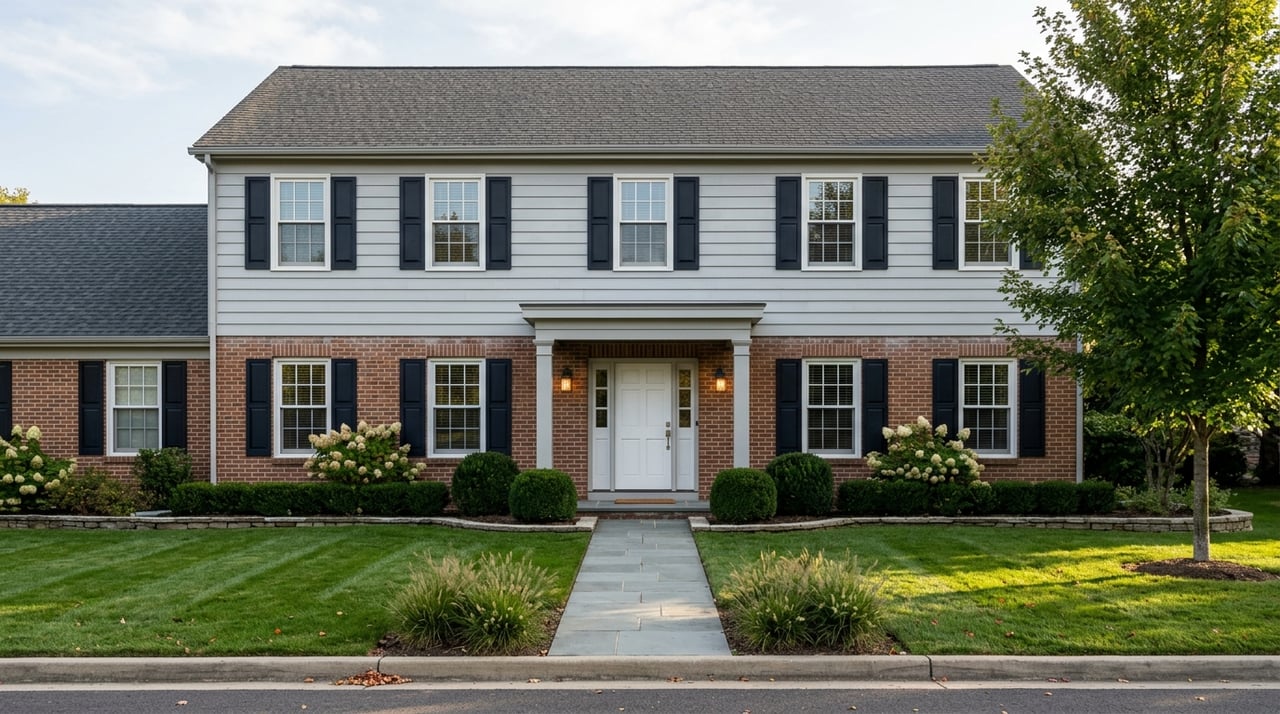
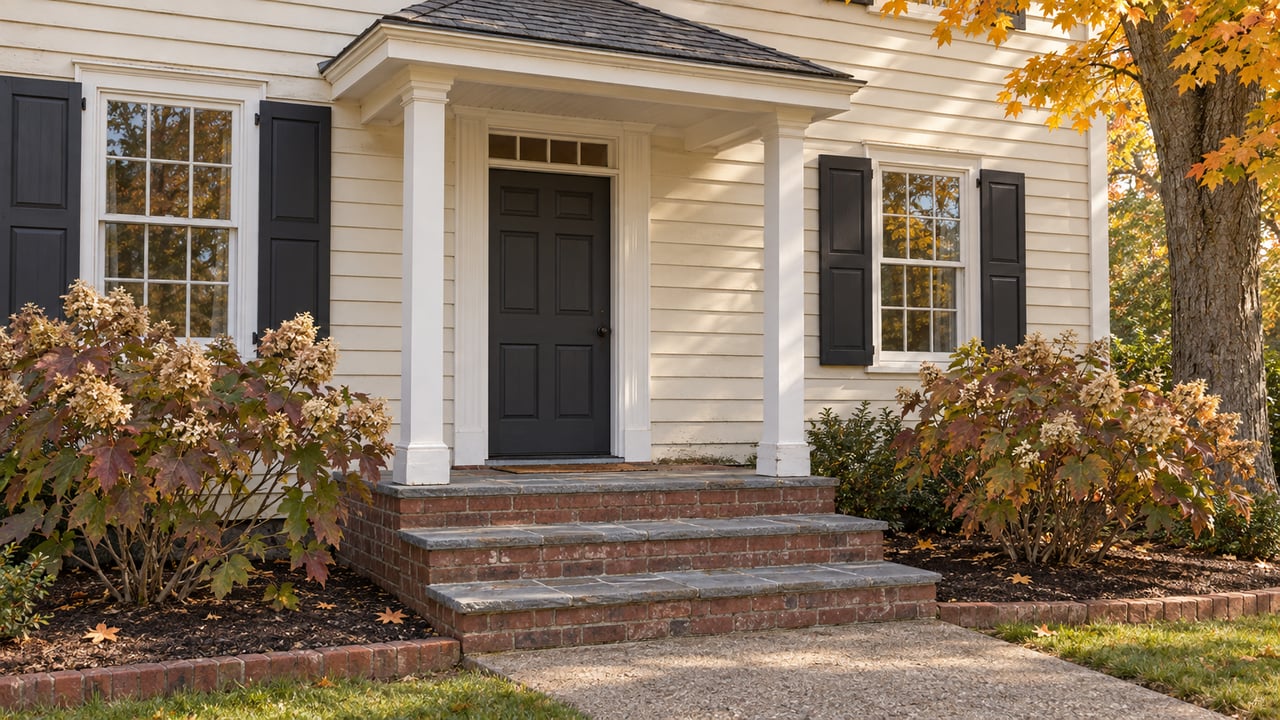
Single-family subdivisions make up the bulk of Monroe's housing. Most of these neighborhoods were built in the mid-to-late 20th century and feature raised ranches, split-levels, and four-bedroom colonials with attached garages. Lot sizes typically range from about a third of an acre to more than an acre, which gives families the yard space many are leaving the city to find.
Townhomes and condominium communities, such as those along Tanager Road and in Mountain Laurel, offer a lower-maintenance alternative. These properties generally range from one to three bedrooms, often include shared amenities like pools and clubhouses, and tend to sit closer to major roads. They work especially well for first-time buyers, downsizers, and commuters who would rather spend weekends on the trails than mowing a lawn.
Lakefront and cottage homes around Round Lake, Walton Lake, and Mombasha Lake are a category all their own. You'll find everything from converted 1940s seasonal cabins with plenty of character to custom-built waterfront estates. These homes require a closer look during inspection, particularly older conversions, but they offer a lifestyle you simply can't replicate in most suburban markets this close to New York City.
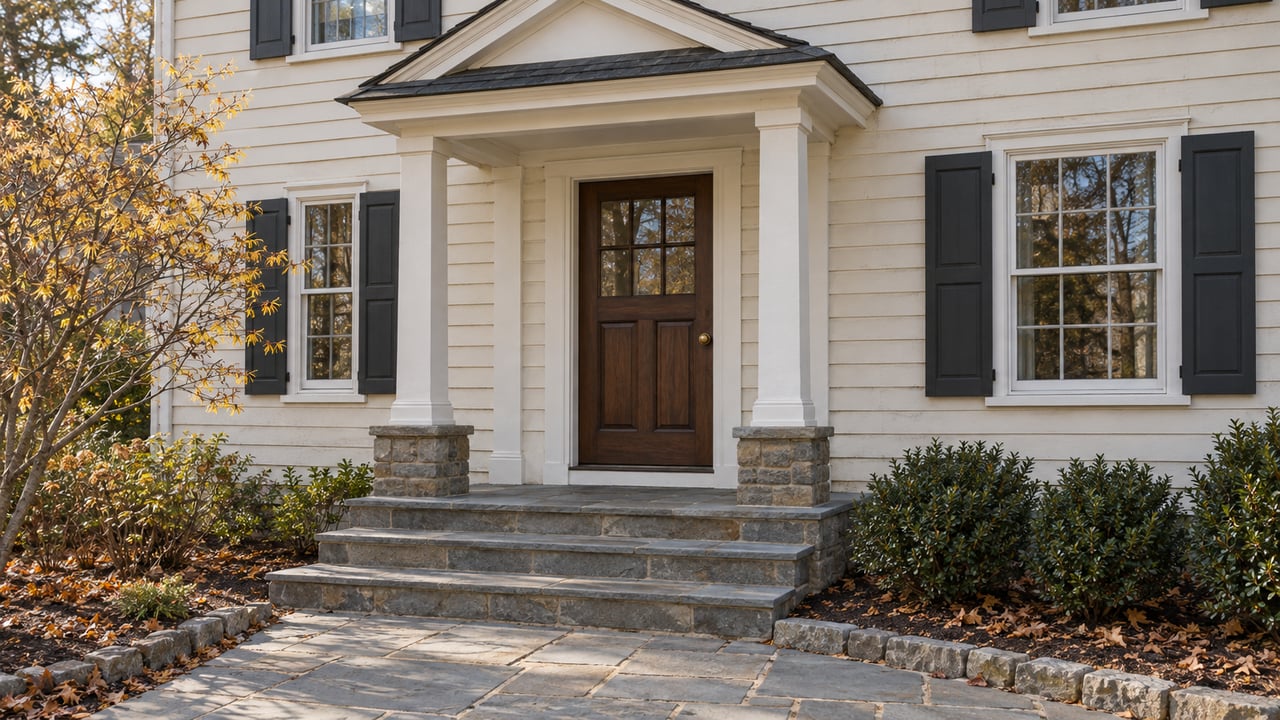
Historic village residences near the center of the Village of Monroe include Craftsman bungalows, Victorians, and traditional farmhouses on smaller, walkable lots. Buyers who want to stroll to coffee, the library, or an evening concert at the gazebo tend to gravitate here.
Newer luxury construction rounds out the market. Pockets of recent development offer homes of 3,500 square feet or more on multi-acre lots, with open floor plans, modern energy standards, and upscale finishes. For buyers who want new construction without moving to a far-flung exurb, these homes are well worth a look.
Monroe-Woodbury Central School District and Education Options
For many of the families I work with, the school district is the deciding factor, and Monroe's is a major draw. The town is served by the Monroe-Woodbury Central School District (MWCSD), one of the largest and highest-ranked public school systems in Orange County.
What sets Monroe-Woodbury apart structurally is its grade-level campus model. Rather than traditional neighborhood K–5 schools, the district groups students by age across dedicated facilities:
Grade Level | Schools | Highlights |
|---|
Early Childhood (K–1) | Sapphire Elementary (Monroe), Smith Clove Elementary (Central Valley) | Focused entirely on early literacy, foundational skills, and socialization |
Primary Elementary (2–5) | Central Valley Elementary, North Main Street Elementary, Pine Tree Elementary | Core academics, STEM initiatives, hands-on learning, 1:1 Chromebooks |
Middle School (6–8) | Monroe-Woodbury Middle School | "House Plan" divides a large student body into smaller academic communities |
High School (9–12) | Monroe-Woodbury High School | Extensive AP offerings, college credit through SUNY Orange and SUNY Albany, Orange-Ulster BOCES technical programs, strong music, arts, and athletics |
The size of the district works in students' favor at the high school level, where the range of AP courses, college-credit options, and extracurricular programs is broader than what many smaller districts can offer. The middle school's House Plan is a thoughtful way of making a large school feel more personal during what can be a challenging transition age.
Families looking beyond public schools have solid options nearby. Sacred Heart School, right in the Village of Monroe, serves pre-K through eighth grade. Burke Catholic High School in Goshen, about 15 minutes away, offers a college-preparatory Catholic education. For independent day or boarding schools, the Storm King School and New York Military Academy in Cornwall are within a 20-to-25-minute drive. Orange-Ulster BOCES also partners with MWCSD to provide vocational, career and technical, and special education programs for high school students.
Commuting from Monroe, NY
Monroe sits in one of the most practical transit corridors in Orange County, and that flexibility is a big reason commuters choose it over towns farther north. Whether you prefer to drive, ride a bus, or take the train, you have a realistic path into the city.
Commute Mode | Provider / Starting Point | Route | Typical Travel Time |
|---|
Train | NJ Transit / Metro-North at Harriman Station | Port Jervis Line to Secaucus Junction, transfer to NYC Penn Station | ~75 to 90 minutes |
Direct Bus | Coach USA / Short Line from Monroe | Direct service to Port Authority Bus Terminal or GWB Terminal | ~65 to 85 minutes |
Driving | Personal vehicle | Route 17 East to I-87 South, then the George Washington Bridge or Lincoln Tunnel | ~60 to 90+ minutes |
For drivers, Route 17 (the Quickway, future I-86) is Monroe's main east-west artery, connecting directly to the New York State Thruway. The Thruway is accessible at Exit 16 in Harriman and runs south through Rockland and Bergen counties to the George Washington Bridge or the Major Deegan Expressway. Travel time depends heavily on when you leave, so anyone commuting by car daily should test-drive the route at rush hour before committing to a home.
The direct Short Line bus is often the favorite among my clients who work in Midtown. It departs from Monroe itself, delivers you straight to Port Authority, and lets you read, work, or rest along the way. Rail commuters use Harriman Station, which is just minutes from most Monroe neighborhoods. The transfer at Secaucus adds a step, but many people prefer the reliability of the train.
For hybrid workers who only head into the city two or three days a week, Monroe's commute becomes even more appealing, since you get the full benefit of the space and lifestyle without the daily grind.
Parks, Lakes, and Outdoor Recreation in and Around Monroe
If outdoor living ranks high on your wish list, Monroe is one of the strongest choices in the entire region. Being part of Orange County's Lake Region means water, trails, and protected forest are part of your everyday routine.
Walton Lake and Round Lake are the local anchors for water recreation. Both have town boat launches and permit non-motorized watercraft, so kayaks, canoes, and paddleboards are the norm. That keeps the lakes quiet and peaceful, and both are popular for freshwater bass and trout fishing. Mombasha Lake adds to the scenery and to the town's lakefront housing options.
The Orange County Heritage Trail is one of Monroe's best everyday amenities. This paved, multi-use trail stretches more than 19 miles along the former Erie Railroad line, running right through Monroe and continuing west through Chester and Goshen. It's ideal for cycling, running, walking the dog, or teaching kids to ride a bike on a safe, flat surface.
For bigger adventures, Harriman State Park sits immediately adjacent to Monroe. As New York's second-largest state park, it offers more than 200 miles of hiking trails, 31 lakes including Lake Tiorati and Lake Welch, public beaches, and campsites. The Appalachian Trail also passes through the area, with major trailheads just minutes from town. A short drive south brings you to Sterling Forest State Park, with nearly 22,000 acres of forest, mountain biking routes, and scenic views over Greenwood Lake.
Monroe also has a distinctive cultural-outdoor hybrid in Museum Village of Old Smith's Clove, a living-history museum featuring open-air grounds, 19th-century trade demonstrations, and seasonal festivals that families return to year after year.
Crane Park, Mill Pond, and Monroe's Historic Village Center
Every town has a place that defines it, and in Monroe, it's Crane Park and Mill Pond. This 42-acre municipal landmark in the heart of the Village of Monroe is where the community gathers, exercises, celebrates, and connects with its history.
The park is anchored by two interconnected bodies of water and features a popular 1.5-mile paved loop along Millpond Parkway, which you'll find busy with walkers, joggers, and strollers from early morning to sunset. Shaded gazebos host concerts and gatherings, open lawns fill up on summer weekends, and in winter, designated areas open for ice skating when safety flags are posted. For buyers considering a home in the village, living within walking distance of this park is one of the most compelling reasons to choose Monroe.
The history here runs deep. Mill Pond began as a swampy basin that David Smith dammed in the late 1700s to power the town's first grist mill. Then in 1937, during a dredging project under the Works Progress Administration, workers unearthed a nearly complete skeleton of an American mastodon. That discovery remains one of the most memorable chapters of local history and a fun point of pride for residents.
The streets surrounding the park, including Stage Road, Lake Street, and Spring Street, showcase Monroe's architectural heritage. Here you'll find John DeAngelis Hall, originally the 1912 Monroe Post Office, along with early 19th-century homesteads and the Monroe Free Library. This historic core gives Monroe a sense of place that newer suburban towns simply can't manufacture.
Dining, Shopping, and Local Businesses in Monroe, NY
Monroe strikes a practical balance between small-town independent businesses and the convenience of major retail. The historic downtown provides the character, while the Route 17M and Route 208 corridors handle the everyday errands.
In the village, the area around Stage Road and Millpond Parkway is home to family-owned establishments that locals are loyal to. Village Hands Café is a community favorite for house-roasted coffee, fresh pastries, and farm-to-table breakfast. Italian food is a real strength in Monroe, with options like La Vera Cucina, Tre Angelina, and The Best of Little Italy serving everything from casual slices to sit-down family dinners. For a classic tri-state experience, the Empire Diner on Route 17M offers the kind of multi-page menu and late-hour service that diner lovers appreciate.
For daily needs, the plazas along Route 17M include ShopRite, Stop & Shop, pharmacies, banks, and hardware stores, so most errands never require leaving town.
And then there's the neighbor that surprises many out-of-town buyers: Woodbury Common Premium Outlets, just about five minutes east in Central Valley. As one of the largest outdoor luxury outlet centers in the world, with more than 250 international designer brands and major dining areas, it's a remarkable amenity to have so close. Residents quickly learn which days and times to go to avoid the tourist crowds.
Cost of Living and Property Taxes in Monroe, NY
Monroe offers meaningful savings compared to New York City and Westchester County, though overall living costs still run about 15 to 20 percent above the national average. The largest driver of that figure, as with much of New York State, is property taxes, so I always make sure buyers understand exactly how they work before they fall in love with a home.
In New York, your property tax bill is split into separate levies collected at different times of year. The school tax for Monroe-Woodbury CSD typically makes up the largest share, often 60 to 65 percent of the total, and is billed in the fall. Town and county taxes are billed in January and fund municipal services and Orange County operations. If the home sits within the Village of Monroe or the Village of Harriman, there is also a village tax that covers localized services such as the DPW, village police, and sidewalk maintenance.
Combined, Monroe's effective property tax rate typically falls between 2.4 and 2.8 percent of a home's full market value. For a median single-family home of around $580,000, that translates to roughly $13,500 to $16,500 per year, depending on village boundaries and any special district fees. Qualifying primary residents can apply for New York State's STAR (School Tax Relief) program to offset part of the school tax bill.
Because two homes on seemingly similar streets can carry noticeably different tax bills based on village lines and special districts, I always pull the actual tax history on any property my buyers are considering. It's one of the simplest ways to avoid surprises after closing.
Commuting costs are the other line item to plan for. Depending on your routine, that may include a monthly rail or bus pass, E-ZPass tolls, and fuel. Many of my clients find that choosing the right home location relative to Harriman Station or the Monroe bus stop makes a real difference in both time and cost.
Who Monroe, NY Is Best Suited For
After helping many buyers evaluate Monroe, I've noticed that the people who thrive here tend to fall into a few clear groups.
Hybrid and daily NYC commuters find Monroe hard to beat. With both a direct Short Line bus to Port Authority and NJ Transit/Metro-North rail service from Harriman Station, commuters can build a reliable routine that doesn't depend on driving into the city. It also works well for professionals heading to North Jersey or lower Hudson Valley business hubs.
Growing families focused on schools and community are drawn to Monroe's established subdivisions, generous yards, active youth sports leagues, and the Monroe-Woodbury Central School District. The district's academic, arts, and athletic offerings rival those in Westchester or Bergen County, but at a considerably lower purchase price.
Outdoor enthusiasts will find Monroe almost tailor-made for them. With Crane Park and Mill Pond in the village, the Heritage Trail running through town, and Harriman State Park right on the border, hiking, paddling, fishing, and cycling become part of your weekday evenings, not just your weekends. If you prefer trailheads to nightlife, you'll feel at home.
Value-seeking buyers leaving the city often find Monroe to be the answer they've been searching for. Many of my clients relocating from apartments in Queens, Brooklyn, or the Bronx are looking for more square footage, a garage, and a private yard. Monroe delivers single-family homeownership within about 50 miles of NYC at price points below closer-in suburban counties.
On the other hand, if you're seeking a lively urban dining and nightlife scene or a commute under an hour every day, Monroe may not be the perfect fit. I'd rather tell you that upfront so we can find the town that truly matches your lifestyle.
Buying a Home in Monroe, NY with The Ramundo Team
Choosing a town is only half the decision. Choosing the right home within it, whether that means the correct side of a village line, a lake community that fits your lifestyle, or a subdivision with the commute you need, is where local expertise makes all the difference. That is exactly what we do at The Ramundo Team.
Led by Donna Ramundo, a KW Luxury Specialist with Keller Williams, our team has helped buyers and sellers across the Hudson Valley and Northern New Jersey achieve over $150 million in lifetime sales. Donna has been recognized with the NJ Realtors Circle of Excellence Award every year from 2017 through 2024, and our team brings together experience in residential sales, luxury homes, relocations, rentals, and investment properties. Many of our clients have been first-time buyers moving from New York City to Orange County, and we take pride in guiding them through every step with clear advice, responsive communication, and trusted referrals for attorneys, lenders, and inspectors.
If Monroe is on your list, we'd be glad to help you explore it with confidence, whether that means touring homes near Mill Pond, comparing tax bills across village lines, or mapping your commute from Harriman Station. Reach out to Donna Ramundo at (914) 584-0470 or [email protected], or visit theramundoteam.com to start your search. We look forward to helping you find your place in Monroe.