Thinking about selling in Ringwood? In a market where wooded views, lake access, and outdoor living can shape buyer interest just as much as square footage, the details matter. If you want to sell with fewer surprises and a stronger strategy, it helps to know what buyers will notice, what the borough may require, and how to prepare before your home goes live. Let’s dive in.
Why Ringwood selling is different
Ringwood is not a one-size-fits-all market. The borough sits in the Ramapo Mountains and is known for its lakes, parks, trails, and natural setting. That means buyers are often looking at more than the house itself. They are also paying attention to the lot, the outdoor space, the surroundings, and any connection to lake living.
Ringwood is also a relatively small market, with about 12,228 residents and roughly 4,400 dwellings across about 27.3 square miles. In a market this size, the way your home is positioned can make a real difference. A standard single-family home, a home in a private-lake community, and a home with specific association access may attract different buyers and require different marketing.
Recent data suggests sellers are still operating in a competitive environment. Redfin reported a median sale price of $647,166 for the three months ending April 2026, along with a median 32 days on market and a 104.2% sale-to-list ratio. Realtor.com reported a median listing price of $599,777, with 26 homes for sale and a median 33 days on market.
Start with your home’s Ringwood story
In Ringwood, your listing should do more than describe the number of bedrooms and baths. It should explain what makes your property distinct in this location. If your home has seasonal views, lake-facing outdoor space, a deck, a patio, or a wooded setting, those features deserve attention from the start.
If your property is tied to a community like Erskine Lakes, Skyline Lakes, Cupsaw Lake, or Stonetown, clarity is essential. Buyers need to understand whether lake access is deeded, based on association rights, or simply nearby. When that information is vague, it can create confusion during negotiations and inspections.
This is where strong presentation matters. For many Ringwood homes, exterior photography, aerial imagery, and thoughtful marketing of outdoor spaces can help buyers see the full value of the property.
Prepare the exterior before you list
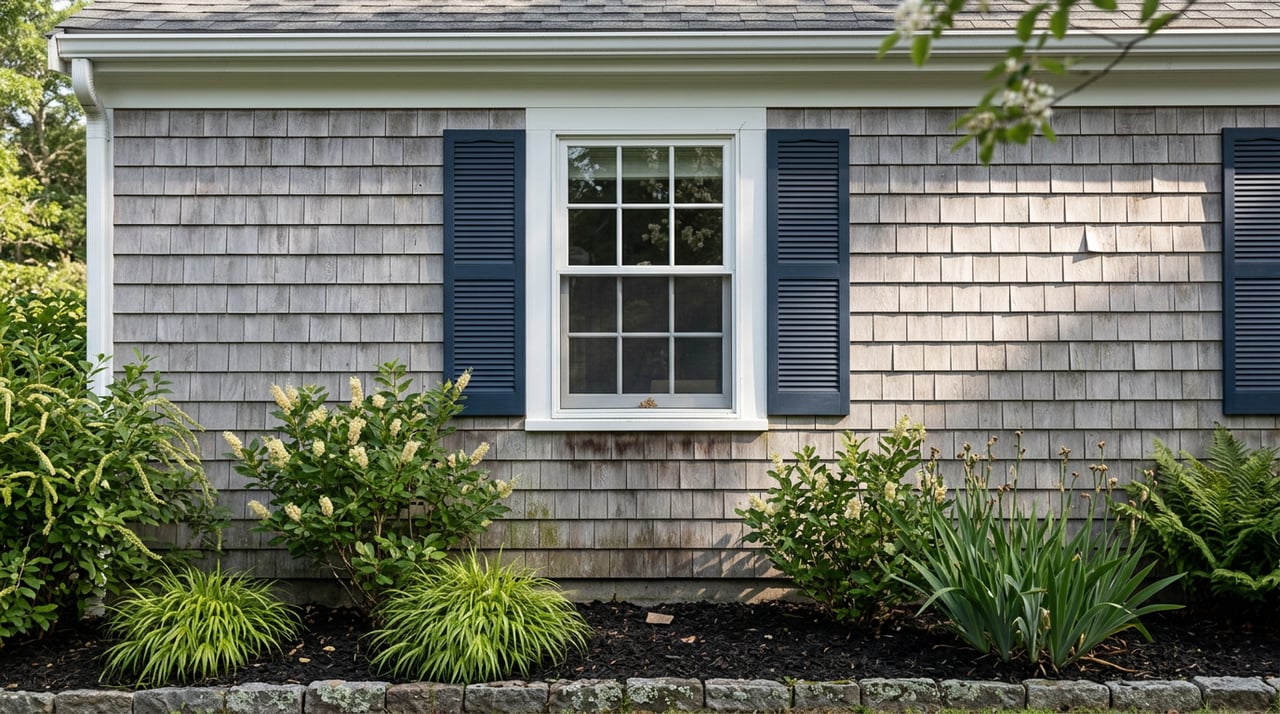
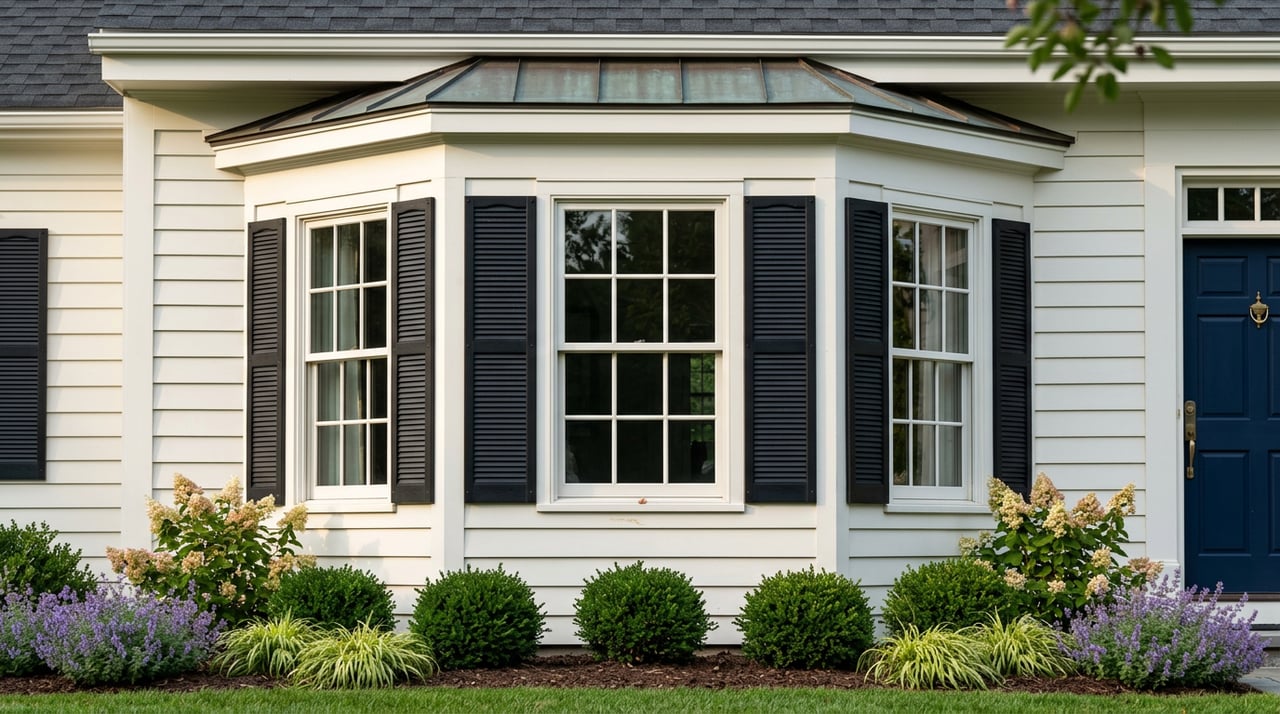
Because Ringwood is so connected to the outdoors, curb appeal carries extra weight. A buyer may form a strong opinion before they even walk through the front door. Clean, well-maintained outdoor spaces can help support a better first impression and stronger showing experience.
Before listing, focus on the areas buyers will notice most:
- Front entry and walkway
- Driveway condition
- Lawn and landscaping
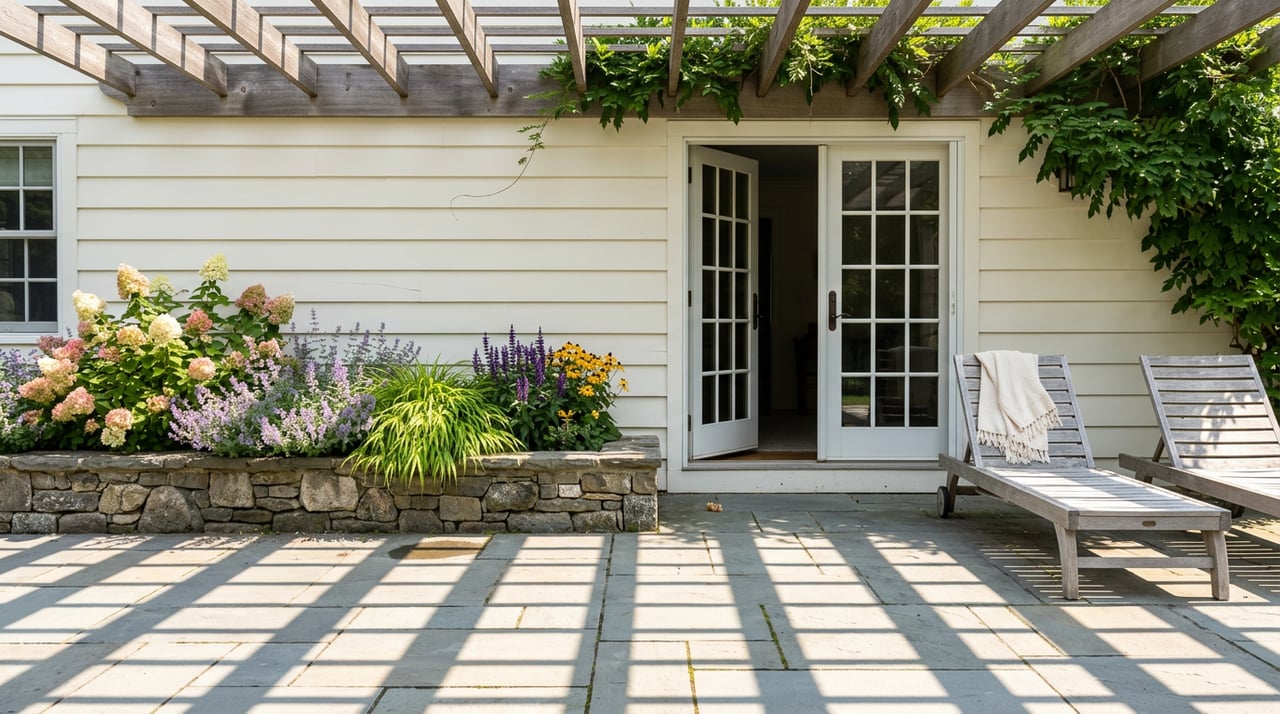
- Decks and patios
- Backyard entertaining areas
- Fencing and storage areas
- Views of woods, water, or surrounding nature
If your home benefits from privacy or natural scenery, make sure it is easy to see and easy to photograph. In Ringwood, the setting is often part of the sale.
Review permits and borough records early
One of the smartest things you can do before listing is review any past work done on the home. Ringwood’s Building Department notes that work completed under permit must be inspected, and buyers often ask for permit history. Open permits can slow down a transaction or become a negotiation point late in the process.
If you have completed renovations or major improvements, check whether they were properly permitted and closed out. The borough’s Tax Assessor also notes that improvements that increase value often trigger an inspection and an added assessment. It is better to sort that out before listing than to discover an issue during buyer due diligence.
A simple pre-listing records check can help you confirm:
- Whether prior permits were closed
- Whether inspections were completed
- Whether additions or improvements match borough records
- Whether any recent work may raise questions during the sale
Address well, septic, and oil tank questions upfront
Some Ringwood homes come with utility and infrastructure details that are especially important to buyers. If your property has a private well or septic system, Ringwood’s Health Department is the local contact for related questions. These are not details you want to leave unclear once inspections begin.
Underground oil tanks can also come up in a sale. The borough notes that a tank may remain in place if it is still being used and not leaking, or if it was previously abandoned in place with permits and passed inspection. Even so, a buyer may still try to negotiate around tank removal or documentation, so it helps to gather records early.
If any of these apply to your home, keep paperwork organized before you hit the market. That may include installation records, permits, inspection documents, maintenance records, or any borough documentation tied to the system.
Get ahead of showings and inspections
Once your home is listed, speed matters. In a competitive market, buyers may move quickly, and you do not want preventable issues to interrupt momentum. That is why preparation before the first showing is often worth the effort.
Inside the home, aim for a clean, bright, and simple presentation. Outside, make sure buyers can easily experience the property’s usable space. In Ringwood, that means buyers may care just as much about the yard, deck, driveway, and setting as they do about interior finishes.
You should also plan ahead for the smoke alarm inspection required before closing. Ringwood does not have a Certificate of Continued Occupancy program for residential resale, but the Fire Prevention Bureau states that smoke alarms, carbon monoxide alarms, and portable fire extinguishers must be inspected before the sale, transfer, or rental of residential property. Certificates are issued on site and remain valid for six months.
Scheduling that inspection early is a smart move. If an appointment fails or gets delayed, it can affect your closing timeline.
Know what buyers may negotiate in Ringwood
Most offers are not just about price. In Ringwood, negotiations often center on the details that support value and reduce uncertainty. The more clearly your home is documented and presented, the easier it may be to keep the transaction moving.
Common negotiation points may include:
- Inspection findings
- Repair requests or repair credits
- Open permits
- Appraisal support
- Well or septic questions
- Oil tank documentation
- Lake rights or association access details
If your home includes special neighborhood or lake-related rights, make sure those are explained accurately in the listing and backed by documentation where possible. Clear expectations can reduce friction later.
Understand seller costs in New Jersey
Before you list, it is helpful to estimate your net proceeds, not just your likely sale price. In New Jersey, the seller is responsible for the Realty Transfer Fee when the deed is recorded. For transfers over $1 million, the state also applies a Graduated Percent Fee ranging from 1% to 3.5% depending on the consideration.
New Jersey also requires sellers to provide a GIT/REP form at closing. Resident sellers generally use GIT/REP-3. Nonresident sellers may need GIT/REP-1 or GIT/REP-2, along with an estimated Gross Income Tax payment equal to 2% of the consideration or 8.97% of the net gain.
If you live out of state, this deserves extra attention early in the process. It can affect both your closing statement and the timing of recording.
Do not overlook Ringwood’s no-CCO detail
Ringwood does not require a Certificate of Continued Occupancy for the resale of a residential home. That can simplify one part of the process. Still, it does not mean you should wait until the last minute to handle borough-related items.
If a buyer, title company, or attorney asks for proof that no CCO is required, the borough says you can request a letter in writing for a $15 fee. On a tight timeline, even a small administrative step like this can matter.
A practical pre-listing checklist
If you are planning to sell your home in Ringwood, here are some of the most important steps to take before you list:
- Clean up curb appeal and outdoor living areas
- Highlight any views, lake access, or setting-specific features
- Confirm whether permits were closed properly
- Review recent improvements against borough records
- Organize documents for well, septic, or oil tank issues if applicable
- Gather any association or lake-rights information
- Prepare for interior and exterior showings
- Schedule the required smoke alarm, carbon monoxide alarm, and fire extinguisher inspection early
- Estimate transfer taxes and seller closing costs
- Plan for any nonresident New Jersey tax paperwork if needed
Why marketing matters in Ringwood
A strong sale in Ringwood usually comes from more than timing alone. It comes from pricing the home against current market activity, presenting the property clearly, and telling the right story about what makes it valuable in this location. That may include custom marketing around outdoor features, aerial photography, virtual tours, and polished listing materials that help buyers understand the full picture.
When your home has location-specific value, the marketing should reflect it. A buyer should be able to tell, before they even visit, whether the property offers a lake lifestyle, mountain setting, outdoor entertaining potential, or a unique neighborhood advantage.
If you are planning to sell your home in Ringwood, the right preparation can make the process smoother from listing to closing. For local guidance, tailored marketing, and a team that knows how to position homes across northern New Jersey, connect with The Ramundo Team.
FAQs
What should sellers prepare before listing a home in Ringwood NJ?
- Sellers should focus on curb appeal, outdoor spaces, permit history, recent improvements, utility documentation, and any lake or association information tied to the property.
Does Ringwood NJ require a certificate of occupancy to sell a home?
- No. Ringwood does not require a Certificate of Continued Occupancy for residential resale, though sellers may request a borough letter confirming that no CCO is required.
What inspections are required before closing on a home sale in Ringwood NJ?
- Before closing, Ringwood requires an inspection for smoke alarms, carbon monoxide alarms, and portable fire extinguishers, and the certificate remains valid for six months.
Why do lake rights matter when selling a home in Ringwood NJ?
- Lake rights matter because buyers need to know whether access is deeded, association-based, or simply nearby, and that clarity can help avoid confusion during negotiations.
What taxes should sellers expect when selling a home in New Jersey?
- Sellers should expect the New Jersey Realty Transfer Fee, and sales over $1 million may also be subject to a Graduated Percent Fee. Sellers must also provide the appropriate GIT/REP form at closing.
What should out-of-state owners know about selling a home in Ringwood NJ?
- Out-of-state owners should plan early for New Jersey nonresident seller tax paperwork, because it can affect closing costs, recording, and possible post-closing refund filings.