If you want a suburb that balances a true downtown feel with practical commuting options, Pearl River deserves a closer look. For many buyers and renters, the question is not just what homes cost, but what daily life actually feels like once you live there. In Pearl River, that answer includes a walkable core, easy errand runs, casual dining, and access to rail and bus service for regional travel. Let’s dive in.
What Living in Pearl River Feels Like
Pearl River is the largest hamlet in Orangetown, and its layout gives it a clear identity. The town describes a distinct downtown centered on North Middletown Road, East Central Avenue, and North and South Main Street. That core is supported by commercial spaces, while much of the surrounding hamlet is made up of single-family homes on individual lots and tree-lined streets.
That combination gives Pearl River a commuter-suburb feel with a more defined center than some nearby communities. You can have a neighborhood setting at home while still being close to stores, dining, and transit. For many people, that blend is a big part of the appeal.
Census data adds helpful context to the local picture. Pearl River had 16,567 residents in the 2020 Census and 5,798 households in the 2019 to 2023 American Community Survey. The same data shows a 76.7% owner-occupied housing rate and a same-house-one-year rate of 96.3%, which points to a relatively stable place to live.
Pearl River Downtown at a Glance
Downtown Pearl River stands out because it functions as more than a simple commercial strip. Orangetown’s 2025 zoning action tied new housing to ground-floor retail and nearby restaurants, shopping, rail, and bus service. That supports the idea of downtown as a mixed-use, transit-oriented area where daily routines can happen close together.
East Central Avenue is known for mostly one- and two-story commercial buildings, while North Middletown Road includes some larger commercial uses like gyms, drug stores, and grocery stores. In practical terms, that means your errands, quick stops, and casual meetups can often stay local. It is a setup that supports convenience without feeling overly dense.
Parking rules also shape the rhythm of downtown. Metered parking is in effect Monday through Saturday from 9 a.m. to 6 p.m. in the downtown business district. That kind of short-stay parking setup makes the area feel geared toward errands, meals, and local events rather than all-day car storage.
Dining and Daily Convenience in Pearl River
One of the easiest ways to understand a town is to look at how a normal Tuesday or Saturday might unfold. Pearl River’s business mix suggests a place where you can build simple routines close to home. You are not looking at a destination dining district so much as a practical, enjoyable downtown for everyday life.
A few current examples help paint the picture:
- Café Diem on South Main Street describes itself as a coffee, brunch, and community spot in the heart of Pearl River and is open daily from 8 a.m. to 3 p.m.
- Defiant Brewing Co. operates as a Pearl River microbrewery and restaurant with afternoon and evening hours.
- Luigi O'Grady's Deli & Catering has served Pearl River since 1997 and offers breakfast, sandwiches, and baked goods.
Taken together, these businesses suggest easy options for a morning coffee, a casual lunch, or an informal evening out. That matters when you are choosing where to live because convenience is not just about big amenities. It is also about whether your daily habits feel easy once you get home.
Community Rhythm and Local Activities
Pearl River also offers signs of an active local rhythm beyond food and shopping. The Pearl River Public Library is open Monday through Thursday until 9 p.m., which can be helpful if you like after-work flexibility for programs, browsing, or picking up materials. Local organizations listed by Orangetown include the Pearl River Chamber of Commerce, Pearl River Ancient Order of Hibernians, Pearl River Rotary, and Pearl River Lions.
The town board also established the Pearl River Farmers Market for Saturdays from 10 a.m. to 2 p.m. at Central Avenue Field from May 9, 2026 through November 21, 2026. Central Avenue Field includes a playground, ballfield, and gazebo and has a history of community celebrations. Braunsdorf is also identified by the town as a memorial park area in Pearl River.
Taken together, these spaces and schedules suggest a community where weekends can include market shopping, park time, and local events. Weeknights may lean more toward a library stop, a quick dinner, or a coffee meetup. That pattern is based on the documented hours and public programming, but it gives you a useful sense of how the town functions.
Commute Options From Pearl River
For many buyers, commuting is one of the first things they look at when considering Pearl River. The good news is that the hamlet has multiple transit options, which can give you flexibility depending on where you work and how you prefer to travel. Still, it helps to approach Pearl River as a suburb with a real commute, not as a place with instant city access.
Pearl River Station is on the Pascack Valley Line. NJ Transit identifies it as an MTA-owned station with bike racks, and the line connects to Secaucus Junction, Hoboken, and New York by way of Secaucus. Hoboken also offers connections to PATH, Hudson-Bergen Light Rail, and ferry service.
Bus access adds another layer of convenience. NJ Transit lists Coach USA Rockland Coaches service near Central Avenue and Henry Street in Pearl River. Rockland County’s Pearl River Lot 3 at Route 304 and Washington Avenue is about two blocks from mass transit and serves the Pascack Valley Rail Line, Rockland Coaches, and TOR 92.
According to the county, that lot can connect riders to places including Hoboken, Port Authority Bus Terminal, George Washington Bridge Bus Terminal, Nyack, Spring Valley, Palisades Center, and Shops at Nanuet. That kind of rail-plus-bus redundancy can be especially helpful if you want more than one travel option. It gives commuters a wider map than a single-station town might offer.
Census data shows a mean commute time of 29.4 minutes. That supports the broader picture of Pearl River as a commuter-friendly suburb where transit access is meaningful, but daily travel still takes planning. If you value options and regional connectivity, Pearl River checks an important box.
Housing Mix in Pearl River
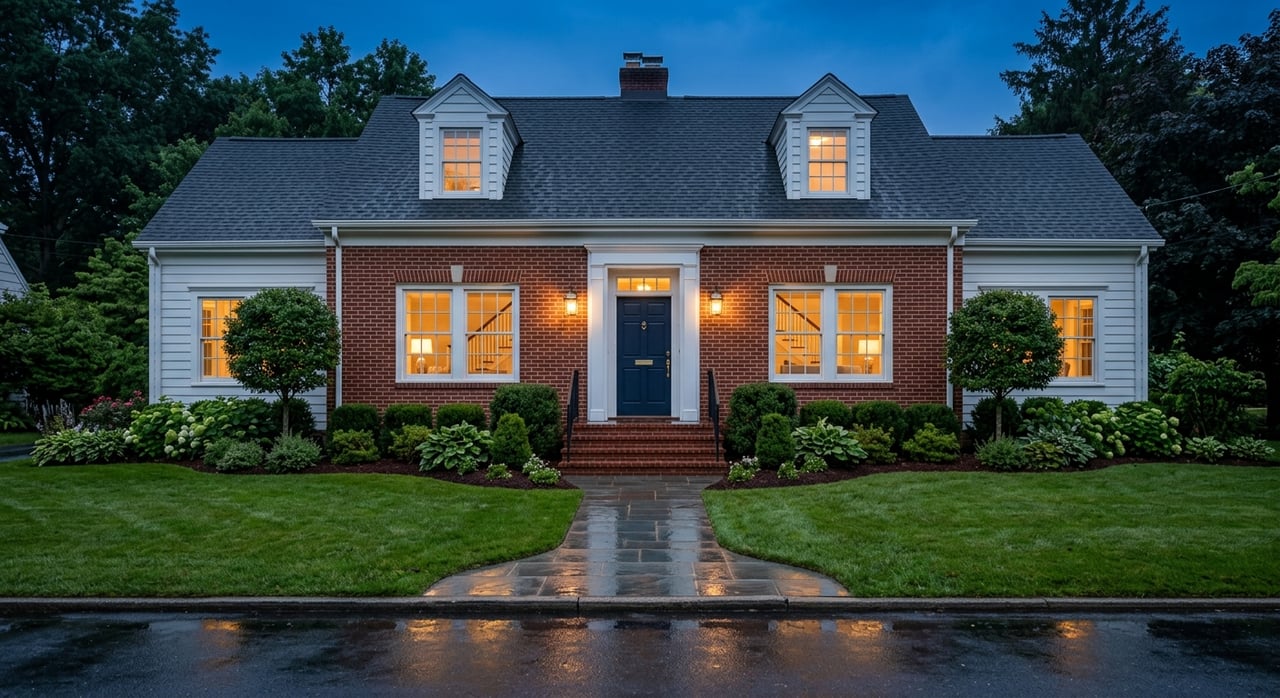
If you are picturing Pearl River as mostly suburban homes, that is largely accurate. Orangetown’s comprehensive plan says that outside the commercial clusters, the hamlet is mostly single-family homes on individual lots and tree-lined streets. That means much of the housing feel is residential, lower-scale, and neighborhood-oriented.
At the same time, the downtown core has a different layer of housing. In 2025, the town adopted a local law for a downtown site at 77 E. Central Avenue and 80-84 Washington Avenue that can include up to 20 age-restricted rental apartments above community shopping and retail. In that same resolution, the town also cited existing downtown rental sites such as Skyline Plaza and Dionne’s Way as walkable examples with access to restaurants, shopping, and rail and bus service.
The simplest takeaway is this: Pearl River is still primarily owner-occupied and suburban in character, but downtown includes rentals, mixed-use projects, and some active-adult housing options near shops and transit. Census data supports that overall picture with a 76.7% owner-occupied rate. For buyers, renters, and downsizers, that mix can create more than one path into the community.
What Buyers and Movers Should Expect
Pearl River may appeal to you if you want a town where everyday convenience plays a big role in quality of life. The downtown offers enough activity to make quick outings easy, while the broader hamlet still feels residential. That balance can work well for first-time buyers, move-up buyers, and anyone relocating to a commuter-oriented suburb.
It also helps to set expectations clearly. Pearl River is not all downtown living, and it is not all car-dependent sprawl either. It sits somewhere in the middle, with a stable residential base, a functioning downtown, and transit access that supports regional commuting.
From a housing perspective, you should expect a market that is mostly owner-occupied, with some rental and mixed-use opportunities in and near the core. Census figures show a median owner-occupied home value of $567,800 and a median gross rent of $2,058. Those numbers offer a useful snapshot as you think about your budget and goals.
If you are comparing towns in Rockland County or the lower Hudson Valley, Pearl River stands out for being practical. It gives you a recognizable downtown, established residential streets, and several ways to connect to surrounding job and activity centers. For many people, that is exactly the kind of balance they are looking for.
Whether you are buying your first home, planning a move-up purchase, or exploring rental options near transit, local guidance can make the search much easier. If you want help understanding how Pearl River fits your goals, The Ramundo Team is here to guide you with clear advice and family-first service.
FAQs
What is downtown Pearl River like for everyday living?
- Downtown Pearl River functions as a mixed-use area with retail, restaurants, parking designed for short stays, and access to rail and bus service, which supports errands, meals, and local routines.
What dining options are available in Pearl River, NY?
- Current examples in Pearl River include Café Diem for coffee and brunch, Defiant Brewing Co. for afternoon and evening dining, and Luigi O'Grady's Deli & Catering for breakfast, sandwiches, and baked goods.
How do commuters travel from Pearl River, NY?
- Commuters in Pearl River can use the Pascack Valley Line at Pearl River Station, Rockland Coaches bus service, and Rockland County’s Pearl River Lot 3 for access to rail and bus connections.
What is the average commute time for Pearl River residents?
- Census data reports a mean commute time of 29.4 minutes for Pearl River residents.
What types of homes are common in Pearl River, NY?
- Pearl River is mostly made up of single-family homes on individual lots, but the downtown core also includes rental and mixed-use housing options near shops and transit.
Is Pearl River mostly a homeowner community?
- Yes. Census data shows that 76.7% of Pearl River housing is owner-occupied, which supports its primarily suburban, owner-occupied character.