Looking to build steady cash flow within commuting distance of New York City? Small multifamily in Rockland County can be a smart way to start or scale your portfolio, but returns hinge on the right numbers, local rules, and targeted sourcing. In this guide, you’ll learn what types of properties you’ll find, how to underwrite with realistic taxes and rents, which landlord laws matter, and the financing paths that work for 2 to 12 units. Let’s dive in.
Why Rockland small multifamily
Rents and income baseline
Rockland County’s median gross rent was $1,901 according to the American Community Survey (ACS 2020–2024). You can use the county median as a conservative starting point for income modeling, then refine with current asking comps in your target zip. You’ll see higher asking rents in walkable village centers such as Nyack, with more mixed results in places like Spring Valley, Suffern, and Monsey as submarkets vary by product and condition. For context on county housing and income, see the U.S. Census QuickFacts for Rockland County (ACS 2020–2024). U.S. Census QuickFacts
Rent‑regulated apartments form a small but important segment. In 2024, Rockland had about 2,191 rent‑regulated apartments registered under the Emergency Tenant Protection Act (ETPA), with only 50 vacant units reported in that pool, which signals tight availability in regulated buildings. If you are considering 6+ unit buildings that may be subject to ETPA, model stabilized rent rules and guideline increases carefully. Rockland Rent Guidelines Board explanatory materials
Property taxes and expenses
Property taxes are a big lever on returns in Rockland. National tax analyses place Rockland among counties with higher median tax bills, so you should underwrite the exact parcel’s current tax and assess potential reassessment after purchase. A small cap‑rate change can be erased by a tax jump, so run sensitivity scenarios before you offer. ATTOM 2024 U.S. Property Tax Analysis
What you will find on the market
You will mostly see:
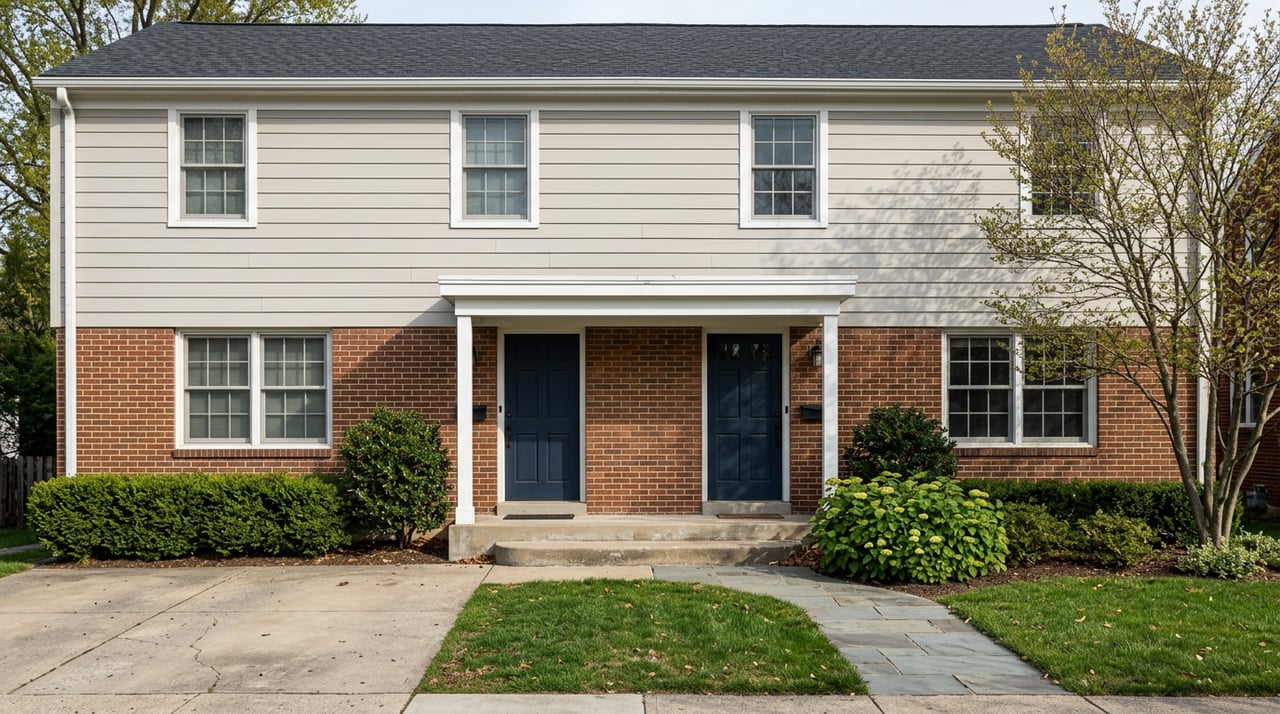
- Two‑family and three‑ or four‑family houses in older villages and parts of Ramapo and Clarkstown. Many are classic duplexes or converted single‑family homes.
- Small walk‑up apartment buildings, often 6 to 20 units, in denser nodes. A portion of 6+ unit, pre‑1974 buildings in ETPA localities may be rent stabilized.
- Mixed‑use on main streets, with retail at grade and apartments above, especially in village cores like Nyack and Piermont.
Rockland’s overall housing stock leans single‑family, with a smaller share of 2 to 4 units. That distribution helps explain why small multifamily is present but not dominant and why cap rates can be tighter in walkable pockets. Local plans that cite ACS data illustrate this county‑level mix. Village of Hillburn Comprehensive Plan
Where to find deals and comps
Start with your agent’s MLS coverage for 2 to 4 unit opportunities, including owner‑occupied options. For 5+ unit properties and advertised cap‑rate deals, scan commercial portals and local brokerage sites. Representative active listings in Rockland often show small‑multifamily cap rates in the mid‑5 percent to high‑7 percent range, depending on location, condition, and rent roll disclosure. Use these as guideposts, not guarantees. LoopNet Rockland multifamily search
Underwriting that works in Rockland
Key metrics and quick formulas
- Gross Scheduled Income (GSI) = Sum of market rents if fully occupied.
- Effective Gross Income (EGI) = GSI − Vacancy and collection loss + other income.
- Net Operating Income (NOI) = EGI − Operating expenses (taxes, insurance, utilities, maintenance, management, reserves).
- Capitalization Rate (Cap rate) = NOI ÷ Purchase price.
- Debt Service Coverage Ratio (DSCR) = NOI ÷ Annual debt service.
- Gross Rent Multiplier (GRM) = Purchase price ÷ GSI.
Use listed cap rates as a cross‑check, but always rebuild NOI from the ground up using actual taxes, insurance, and realistic maintenance.
Simple example
Here is an illustrative example to show the math:
- GSI: $120,000 per year.
- Vacancy/collection loss: 8 percent → EGI = $110,400.
- Operating expense ratio: 45 percent → NOI = $60,720.
- Purchase price: $900,000 → Cap rate ≈ 6.7 percent ($60,720 ÷ $900,000).
If you finance at 70 percent loan‑to‑value, plug in your lender’s interest rate and amortization to estimate annual debt service, then compute DSCR and cash‑on‑cash. Adjust each variable to see how taxes, rent growth, or a unit turnover might change returns.
Conservative assumptions to test
- Vacancy and collection: 5 to 10 percent, depending on submarket and building.
- Operating expense ratio: 35 to 60 percent of EGI, with older buildings toward the higher end.
- Property taxes: use the latest bill, then model a reassessment scenario.
- Reserves: set aside funds for roof, boiler, exterior, and common‑area updates.
Risks to watch that change returns
- Property taxes: High and variable taxes can move your DSCR fast. Underwrite parcel‑level taxes and sensitivity cases.
- Rent‑regulation exposure: For 6+ unit, pre‑1974 buildings in ETPA localities, check status with the Rent Guidelines Board materials and confirm registration. Regulated rent growth is governed by annual guidelines, not market swings. Rockland Rent Guidelines Board explanatory materials
- Unit legality and local rules: Confirm certificates of occupancy, zoning, rental registrations, and any open code issues at the town or village level before you close. Illegal conversions can invalidate projected income and lead to fines.
Rules every NY landlord should know
- Security deposits: State law generally caps deposits at one month’s rent and requires you to return the deposit, or provide an itemized statement of deductions, within 14 days after move‑out. Buildings with six or more dwelling units must hold deposits in an interest‑bearing account, with the tenant entitled to the interest subject to a small admin allowance. Review General Obligations Law §§7‑108 and 7‑103, and the Attorney General’s guide for practical summaries. GOL §7‑108 | GOL §7‑103 | NY AG Residential Tenants’ Rights Guide
- Evictions and notices: For nonpayment, New York requires a 14‑day written demand before filing a nonpayment case. Holdover or termination notices follow 30, 60, or 90‑day rules based on tenancy length. See RPAPL §711 for specifics. RPAPL §711
- Lead and habitability: Federal law requires lead‑paint disclosure for most pre‑1978 housing. You must maintain safe, habitable units and comply with smoke and CO detector and heat rules. The AG’s guide is a good overview. NY AG Residential Tenants’ Rights Guide
Financing paths for 2 to 12 units
- Owner‑occupant 1 to 4 units: FHA 203(b) and many conventional options allow you to buy a duplex, triplex, or fourplex if you live in one unit. FHA permits low down payments, often 3.5 percent, subject to program rules and county loan limits. This is a common house‑hack path. FHA 203(b) overview
- Conventional owner‑occupant: Fannie Mae and Freddie Mac programs can count a portion of projected rents to help you qualify, with appraisal and documentation requirements.
- Investor DSCR loans: For non‑owner deals, lenders underwrite primarily to the property’s NOI and DSCR. Expect higher down payments and DSCR minimums around 1.20 to 1.35, depending on the lender.
- 5+ units: Bank portfolio or agency multifamily lenders will size the loan to NOI, cap rates, and in‑place leases.
Typical management costs to model
- Management fee: often 6 to 12 percent of collected rent for small portfolios, plus leasing or placement fees that can range from 50 to 100 percent of one month’s rent. Fees vary by firm and scope.
- Maintenance and insurance: Older small multifamily buildings can carry higher per‑unit costs. Budget for preventive maintenance and capital projects, not just repairs.
Due diligence checklist
- Rent roll, leases, and a 12‑month payment ledger; if possible, review seller tax returns for income consistency.
- Full unit and building inspections: structure, roof, mechanicals, electric, and plumbing.
- Code and compliance: certificates of occupancy, rental registrations, open violations, and local short‑term rental rules.
- Utilities: confirm meter splits, common‑area usage, and any landlord‑paid services.
- Property taxes: verify the current bill, assessment history, and exemptions that might not transfer.
- Insurance history and any claims; flood and environmental screens where relevant.
Rockland vs nearby options
- Jersey City and Hudson County: Closer to major transit, generally higher rents and demand but often lower cap rates due to competition. Rules and taxes differ by state and municipality.
- Orange County, NY: Typically lower acquisition prices and lower rents, with longer commutes to Manhattan. Same New York State landlord rules, different local codes.
- Rockland’s edge: Commuter access, village‑center demand, and a stock mix that supports both house‑hacking in 2 to 4 units and small‑building plays. Always normalize for property taxes and local code requirements.
Partner with a full‑service local team
Buying right in Rockland takes accurate comps, careful underwriting, and hands‑on coordination from offer to tenant move‑in. With multi‑MLS reach across NY and NJ and deep experience in small multifamily, The Ramundo Team can help you source, evaluate, and manage the details: comps and cap‑rate screens, lender introductions, inspections, legal review, closing logistics, and tenant placement or management support. If you are ready to explore a duplex, fourplex, or a small apartment building, let’s talk about a plan that fits your goals. The Ramundo Team
FAQs
What is a good cap rate for small multifamily in Rockland?
- Representative active listings often show cap rates in the mid‑5 percent to high‑7 percent range. Use listed caps only as a screen and rebuild NOI using actual taxes, realistic expenses, and verified rents.
How do rent regulations affect returns in Rockland County?
- A portion of 6+ unit, pre‑1974 buildings in covered localities can be rent stabilized under ETPA. Regulated rent increases follow Rent Guidelines Board rules, and the regulated pool showed low vacancy in 2024, so model stabilized rent paths rather than market assumptions.
What down payment do I need to buy a duplex if I live in one unit?
- FHA 203(b) can allow as low as 3.5 percent down on 1 to 4 unit owner‑occupied purchases, subject to program rules and local loan limits. Conventional owner‑occupied options are also available through many lenders.
What are New York’s security deposit rules for small landlords?
- Deposits are generally capped at one month’s rent, and you must return them or provide an itemized deduction statement within 14 days after move‑out. Buildings with six or more units must hold deposits in interest‑bearing accounts.
How should I estimate property taxes when underwriting a deal?
- Use the actual parcel’s current bill and assessment, then model a reassessment scenario. Rockland’s county‑level tax burden is relatively high, so test how higher taxes would impact your DSCR and cash‑on‑cash.
Where should I look for small multifamily listings in Rockland?
- Start with MLS for 2 to 4 unit properties and add commercial portals for 5+ units. Use active listings for quick screens, then verify income, expenses, and local code compliance during due diligence.