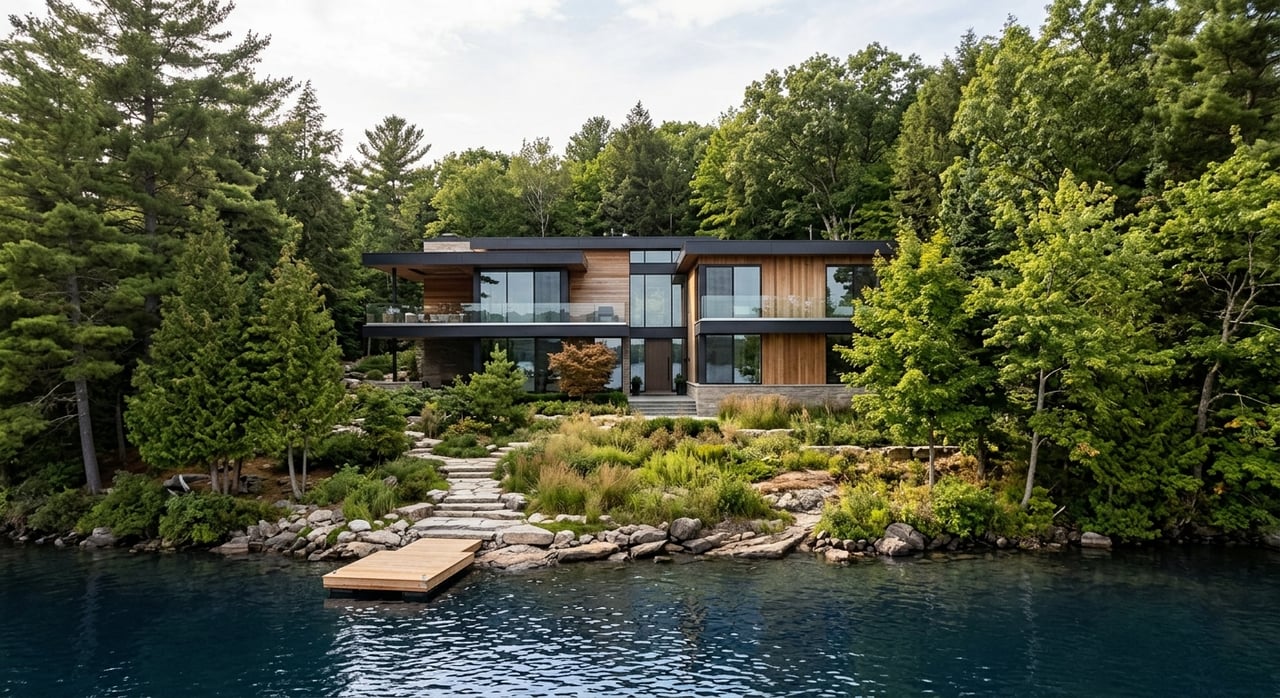
If you are dreaming about lake life in northern New Jersey, West Milford can feel like a rare find. You get natural beauty, a wide mix of home styles, and a lifestyle centered on water, trails, and open space, but buying here also comes with rules and responsibilities that are easy to miss if you only focus on the view. This guide will help you understand what a lake area home in West Milford really means, what to verify before you make an offer, and how to buy with more confidence. Let’s dive in.
Why West Milford Stands Out
West Milford is known for its lake-centered setting. According to the township, it has nearly 40 lakes, and almost two-thirds of its land is permanently protected as open space. That combination gives many buyers a more tucked-away, nature-focused feel than they expect to find in North Jersey.
The housing stock is just as varied as the landscape. The township says its roughly 10,000 homes include former seasonal bungalows, log homes, newer larger homes on one- to four-acre lots, and major condominium developments. In other words, buying a lake area home in West Milford does not mean shopping one single property type.
What “Lake Area Home” Really Means
One of the biggest mistakes buyers make is assuming every house near a lake offers the same access and rights. In West Milford, that is not the case. A home can be on the water, in a private lake community, or simply close to a lake without any deeded use at all.
That difference matters because distance to water is not the same as legal access to water. The township’s planning documents make it clear that lake neighborhoods have their own patterns, protections, and restrictions. Before you fall in love with a listing, you need to know exactly what is included with the property.
Common lake property categories
Here are the main types of lake area homes you may see in West Milford:
- True lakefront homes with direct shoreline ownership
- Lake-access homes in a private community with specific rights
- Deeded-easement properties where use rights may transfer with the home
- Lake-adjacent homes near the water but outside a deeded-access structure
A listing description may not tell the full story. The real question is not just where the home sits, but what rights, fees, and limitations come with it.
How Lake Communities Can Differ
West Milford includes several distinct lake-area neighborhoods and corridors, including Pinecliff Lake, West Milford Lake, Awosting, and the Greenwood Lake corridor. The township’s master plan notes that utilities, density, and redevelopment potential can vary sharply between these areas. Some locations also have water or sewer issues that affect what owners can do over time.
That means two homes at similar price points can offer very different ownership experiences. One may have a straightforward setup, while another may involve private association rules, tighter building limits, or more maintenance planning. This is where local due diligence matters.
Greenwood Lake vs. Upper Greenwood Lake
Greenwood Lake and Upper Greenwood Lake are useful examples because they show how different one lake lifestyle can be from another.
Greenwood Lake is a bi-state lake in Passaic County, New Jersey, and Orange County, New York. The Greenwood Lake Commission says the lake is about 1,884 acres, roughly nine miles long, and includes two basins with different depths and shorelines. Because it is the headwaters of the Wanaque River, water quality management is a major concern.
Upper Greenwood Lake operates under a different ownership and access structure. The Upper Greenwood Lake Property Owners Association says the community includes about 2,100 properties and that deeded rights can include boating, bathing, and fishing. But those rights come with rules, separate costs, and membership limits that buyers need to understand before closing.
What Transfers at Closing
This is one of the most important questions you can ask when buying in a West Milford lake area. Not everything connected to lake use automatically transfers with the sale.
In Upper Greenwood Lake, for example, the POA says deeded easement rights transfer with ownership, but POA membership does not transfer automatically. It also says dock spaces are limited, not guaranteed, and do not transfer with a sale. A new owner must apply and pay applicable dues for dock eligibility.
Questions to ask before you buy
Before you make an offer, ask for clear answers to these points:
- Does the property have direct waterfront ownership, deeded access, or no lake rights?
- What easement rights transfer at closing?
- Is association membership mandatory, optional, or separate from deeded rights?
- Are there annual easement fees, POA dues, dock fees, or launch fees?
- If there is a dock, does it transfer with the property?
- Are beach privileges included, or do they require separate membership?
These details can shape both your budget and your day-to-day use of the property.
What Ongoing Costs to Expect
Lake living often includes recurring costs beyond a mortgage, taxes, and insurance. Depending on the community, you may also need to budget for association fees, easement fees, dock fees, permit costs, and septic maintenance.
Upper Greenwood Lake is a good reminder of how layered those costs can be. The POA states that an annual easement fee is mandatory, membership is additional, beach access requires membership, and dock use is subject to separate approval and fees. If you are comparing homes, make sure you compare the full ownership cost, not just the asking price.
Why Due Diligence Matters More Near the Water
West Milford’s own guidance says lake properties are especially sensitive because of small lots, closely spaced homes, high water tables, slow-draining soils, adjacent wells, flood-hazard areas, and freshwater wetlands. If a property is within 300 feet of a lake, the township says it may need special attention or approvals for certain work.
This is one reason lake properties can feel very different from a standard suburban home purchase. What looks like a simple future project, such as an addition, septic update, or shoreline improvement, may involve multiple layers of review.
Key items to verify early
Try to confirm these items before you get too far into the process:
- Flood-zone status
- Septic location and condition
- Well location and any nearby constraints
- Property line and shoreline details
- Association rules and notice requirements
- Whether past improvements were properly approved
- Whether future plans may require township or outside agency approval
Getting these answers early can help you avoid surprises after closing.
Flood Zones and Elevation Questions
Flood risk should be reviewed early, not after inspections are done. The township says lenders are responsible for flood-zone information, its Engineering Division maintains FEMA maps, and a New Jersey licensed land surveyor can prepare an elevation certificate if needed.
That makes a practical difference for buyers. A home described as “close to the lake” or even “waterfront” may carry very different flood-related requirements depending on the lot and elevation. It is smart to verify the map status rather than rely on marketing language.
Septic, Soil, and Permit Issues
Many lake-area homes in West Milford sit on conditions that can complicate improvements. The township points to high water tables, slow-draining soils, and the close spacing of homes and wells as reasons these properties need extra care.
If proposed work affects a septic system in a lake community, township rules say the relevant property owners’ association must be notified, and an application is incomplete without proof of that notice. That may not affect your purchase itself, but it can affect what you can change later and how quickly you can do it.
Shoreline Work Can Trigger More Approvals
If you plan to repair or replace shoreline features, ask questions before assuming it is routine work. The Greenwood Lake Commission says permits are required for new or replaced bulkheads and boathouses. Because Greenwood Lake is an interstate water, some work may also require New Jersey Department of Environmental Protection approval and, depending on the project, U.S. Army Corps of Engineers Nationwide Permit review.
This is another reason buyers should think beyond the house itself. On a lake property, ownership often includes a stewardship role and a more regulated shoreline environment.
Everyday Life in a West Milford Lake Home
The appeal of West Milford is real. The township highlights swimming, boating, fishing, kayaking, paddle-boarding, hiking, mountain biking, winter sports, and other recreation opportunities. For many buyers, that lifestyle is the whole reason to move here.
But lake living also means your experience can change with conditions. The Greenwood Lake Commission has posted notices about low water, floating stump islands, rocks near Belcher Creek, and algicide treatment. So if you picture a predictable every-weekend boating routine, remember that seasonal water levels and lake management can affect access and use.
Private and public recreation are not the same
Not all access in West Milford works the same way. Some amenities are privately managed through lake associations, while others are township-run.
A clear public example is Bubbling Springs Park and Lake. The township describes it as a 40-acre recreation site with seasonal swimming, fishing, memberships and day passes, lifeguards, trails, a playground, disc golf, and picnic areas. That is very different from a private lake community where rules, access, and fees are controlled by an association.
Lake Ownership Means Ongoing Stewardship
Owning near the water usually means more maintenance awareness than owning farther inland. Greenwood Lake Commission guidance includes septic pumping every three years, using non-phosphorus fertilizers, keeping storm drains clean, managing geese, and following herbicide and shoreline-permit rules.
That does not mean lake ownership is a bad fit. It simply means the lifestyle comes with responsibility. For many buyers, that tradeoff is well worth it once they know what to expect.
A Smart Buying Strategy for West Milford
If you are shopping for a lake area home in West Milford, the best approach is to stay focused on specifics. A beautiful setting matters, but your long-term satisfaction usually comes down to the details behind the listing.
Look closely at rights, restrictions, fees, utility setup, flood exposure, and future improvement options. When you understand those factors early, you can compare homes more clearly and choose the property that truly matches how you want to live.
Buying a lake area home should feel exciting, not confusing. If you want clear guidance on West Milford homes and the details that matter most, The Ramundo Team is here to help you move forward with confidence.
FAQs
What does “lake area home” mean in West Milford, NJ?
- In West Milford, a lake area home can mean true waterfront, a home with deeded lake rights, a property in a private lake community, or a house near a lake with no access rights included.
What lake rights usually transfer when buying in Upper Greenwood Lake?
- The Upper Greenwood Lake Property Owners Association says deeded easement rights transfer with ownership, but POA membership does not transfer automatically, and dock spaces do not transfer with the sale.
What extra costs should buyers expect for a West Milford lake home?
- Depending on the property and community, buyers may face association dues, easement fees, dock fees, septic maintenance costs, permit expenses, and other lake-related ownership costs.
What should buyers verify before making an offer on a West Milford lake property?
- Buyers should verify flood-zone status, septic and well considerations, association rules, deeded access rights, permit history, and whether planned improvements may need township or outside agency approvals.
What approvals might be needed for improvements on a West Milford lake property?
- Work near a lake may require township permits, property owners’ association notice, and in some cases additional approvals tied to flood hazards, wetlands, septic systems, or shoreline structures.
What is everyday lake living like in West Milford, NJ?
- West Milford offers strong recreation options, but lake use can change with water levels, water-quality management, association rules, and seasonal conditions, so buyers should expect both lifestyle benefits and ongoing stewardship.