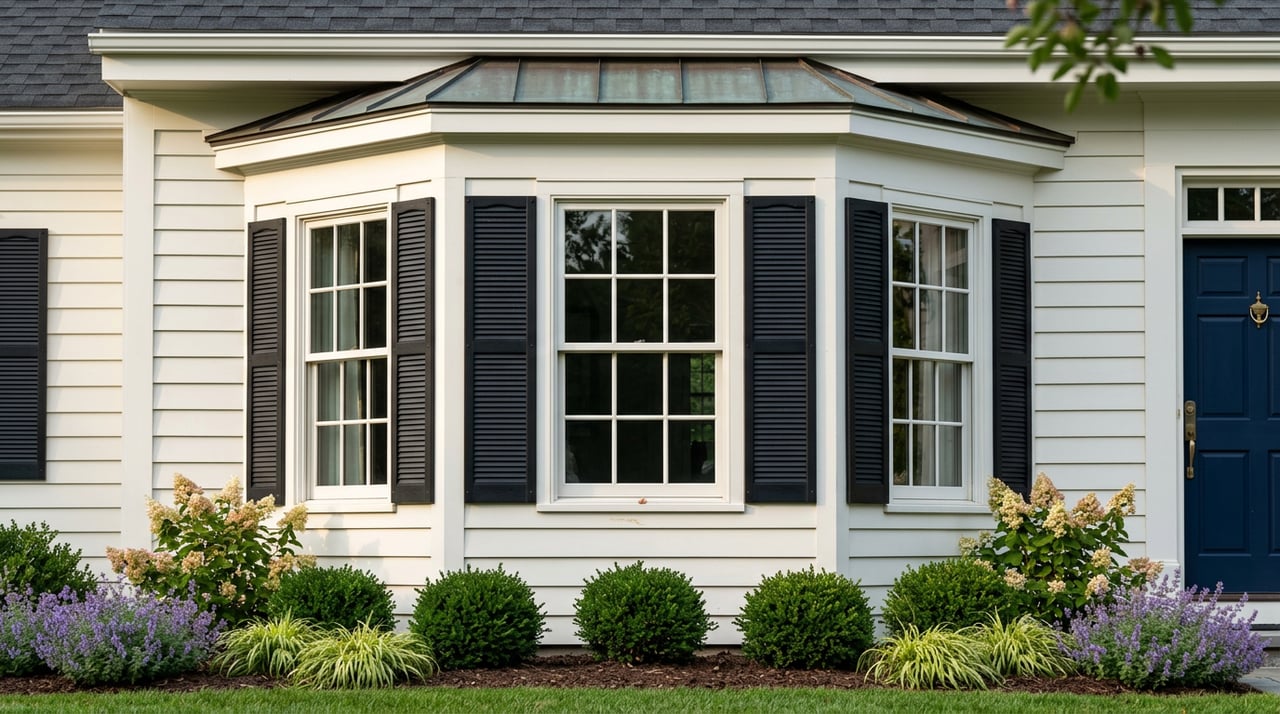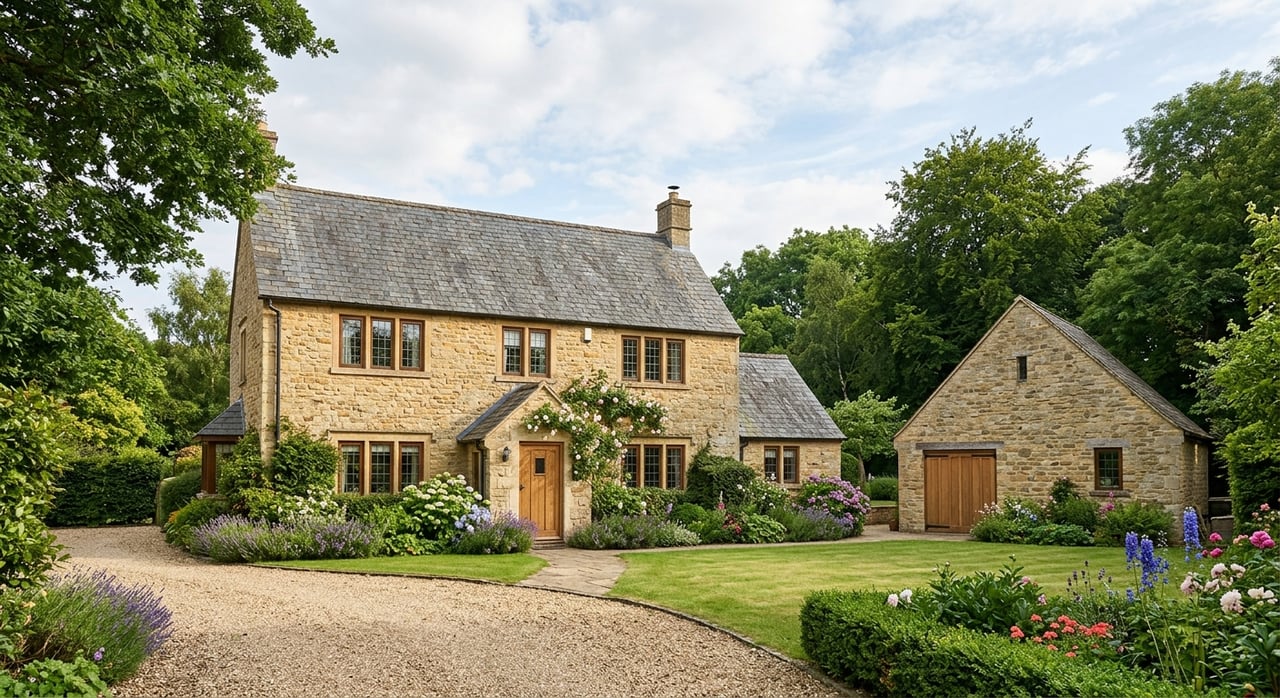
If you have started looking at homes in Warwick, you have probably noticed something quickly: this is not a one-style, one-neighborhood market. One road can feel historic and walkable, while the next feels rural, wooded, or tied to the lake. Understanding those differences early can save you time and help you focus on the part of Warwick that best fits your daily life. Let’s dive in.
Why Warwick Feels So Different
Warwick is a large town of about 107 square miles, and its landscape changes in meaningful ways from east to west. The town describes the eastern side as mountainous and the western side as black-dirt farmland, with older communities still separated by open space and farmland.
That matters when you are house hunting. Instead of thinking of Warwick as one uniform suburb, it is more helpful to think of it as a collection of micro-markets. In simple terms, most buyers are choosing between village cores, lake-oriented areas, farm-country pockets, and wooded rural hamlets.
Village Living in Warwick
Village of Warwick
If you want the clearest version of in-town Warwick living, start with the Village of Warwick. It was settled in 1764, the railroad arrived in 1862, and the village was incorporated in 1867, which helps explain why so much of the housing stock feels historic and established.
The village includes a state and federally designated historic district created in 1984. According to the town profile, that district contains 208 buildings, nearly all built before the 20th century, and the local walking tour highlights styles such as Greek Revival, Queen Anne, Colonial Revival, Tudor Revival, English Cottage, Victorian Gothic, French Victorian, and bungalows.
From a lifestyle standpoint, this is Warwick’s most walkable and lot-constrained pocket. The mayor’s office describes a downtown with cafes, restaurants, shopping, and neighborhoods of well-kept homes both large and small, which gives buyers a strong sense of daily convenience.
Lot sizes also tend to be smaller here than in most other parts of Warwick. Village zoning includes compact standards, including a 5,000-square-foot minimum lot size per single-family unit in cluster or open-space form, which supports the idea that this is the town’s most in-town housing market.
Village of Florida
The Village of Florida offers a different version of village living. It sits within Warwick’s black-dirt region and has long been tied to the area’s agricultural landscape.
Town and village history connect Florida to farming going back to the early 1700s, with the railroad later helping local farmers move produce to New York City. For buyers, that usually means a village-and-farm blend rather than a dense suburban pattern.
In practical terms, you may find older village houses, modest in-town lots, and homes that feel closely connected to the surrounding farmland. If you like the idea of a settled community with a strong agricultural backdrop, Florida is worth a closer look.
Greenwood Lake Offers a Different Lifestyle
Greenwood Lake Homes and Setting
Greenwood Lake stands apart from the rest of Warwick because it is built around the water. The village describes Greenwood Lake as Orange County’s largest lake, stretching 9 miles long and reaching depths of up to 57 feet, with the lake crossing both New York and New Jersey.
Its housing story is different too. Local history notes that hotels and seasonal cottages began appearing near the lake in the 1870s, and many of those seasonal homes were later converted into year-round residences during the mid-20th century.
That history often shows up in the homes buyers tour today. Instead of a standard subdivision pattern, you are more likely to see lake cottages, smaller year-round homes, renovated older houses, and some waterfront or near-water properties.
What Buyers Trade For Here
Greenwood Lake often appeals to buyers who want recreation and scenery built into everyday life. Boating, swimming, lake views, and a more seasonal, resort-like feel are a major part of the area’s identity.
There is also a physical reason the housing pattern feels less uniform. The Greenwood Lake Commission notes that the New York side has steeply sloped banks, and those ridges limited shoreline development over time.
For you, that can mean more variety from one property to the next. It can also mean that lot shape, topography, and access matter more here than they might in a flatter village setting.
Pine Island and Black Dirt Country
Pine Island’s Agricultural Identity
If your idea of home includes open land, privacy, and a strong rural setting, Pine Island is one of Warwick’s most distinctive pockets. The west side of Warwick is identified by the town as the Black Dirt region, and Pine Island is one of the places most closely associated with that identity.
Community materials describe this area as part of a long agricultural landscape shaped by fertile black-dirt soils. Pine Island, along with nearby Florida and other western settlement areas, developed as a population center within surrounding dairy, fruit, and vegetable farming.
That setting creates a very different feel from village life or lake life. This is the part of Warwick where buyers often focus on space, privacy, and land use as much as the house itself.
What Home Styles Fit Here
Warwick zoning supports the rural nature of this area. Town materials show much larger lot forms in agricultural, rural-residential, mountain, and conservation settings, including shaped-lot standards of 200 feet in agricultural and rural-residential districts, 350 feet in mountain-residential districts, and 400 feet in conservation districts.
A separate zoning source lists conservation-density average lot sizes of 8 acres in RU districts, 10 acres in MT districts, and 12 acres in CO districts. Those standards help explain why buyers in western Warwick often expect farmhouses, capes, ranches, homes with outbuildings, and larger parcels instead of dense neighborhood layouts.
For many buyers, the appeal is simple. You get room for hobbies, gardening, equipment, or just a quieter day-to-day setting, though you also give up some walkability and may have longer drives to village amenities.
Rural Hamlets and Wooded Areas
Bellvale, Edenville, New Milford, and Amity
Some parts of Warwick are best understood as older hamlet pockets rather than formal neighborhood developments. Bellvale, Edenville, New Milford, and Amity all trace back to earlier settlement patterns tied to mills, water power, farming, and local industry.
Historical sources note that Bellvale grew around dams, mills, and an iron forge on Longhouse Creek. New Milford developed around water power and mills on the DoubleKill, while Edenville traces back to an early house built in 1734, and Amity, Edenville, and Pine Island became population centers during the 1800s.
For today’s buyers, these areas usually read as rural or semi-rural rather than suburban. You are more likely to find country roads, wooded lots, older homes, and a wider age mix of housing than a uniform tract-home pattern.
Sterling Forest and the Eastern Edge
On Warwick’s eastern side, the setting shifts again. The town’s community profile says the Ramapo Mountains make up the eastern district, and Sterling Forest State Park covers much of this mountainous region.
This is the least suburbanized part of Warwick. Historically, the mountain areas were associated with iron mining, charcoal burning, lumbering, and quarry work, but for current buyers the main draw is usually the natural setting.
Sterling Forest is best thought of as a forested, low-density, nature-oriented pocket. If you want privacy, wooded surroundings, and proximity to trails, this area may feel like the right fit.
Warwick Home Styles at a Glance
Matching Style to Setting
One of the easiest ways to understand Warwick is to connect home style to geography. Different pockets of town tend to support different types of housing and different routines.
Here is the simplest way to think about it:
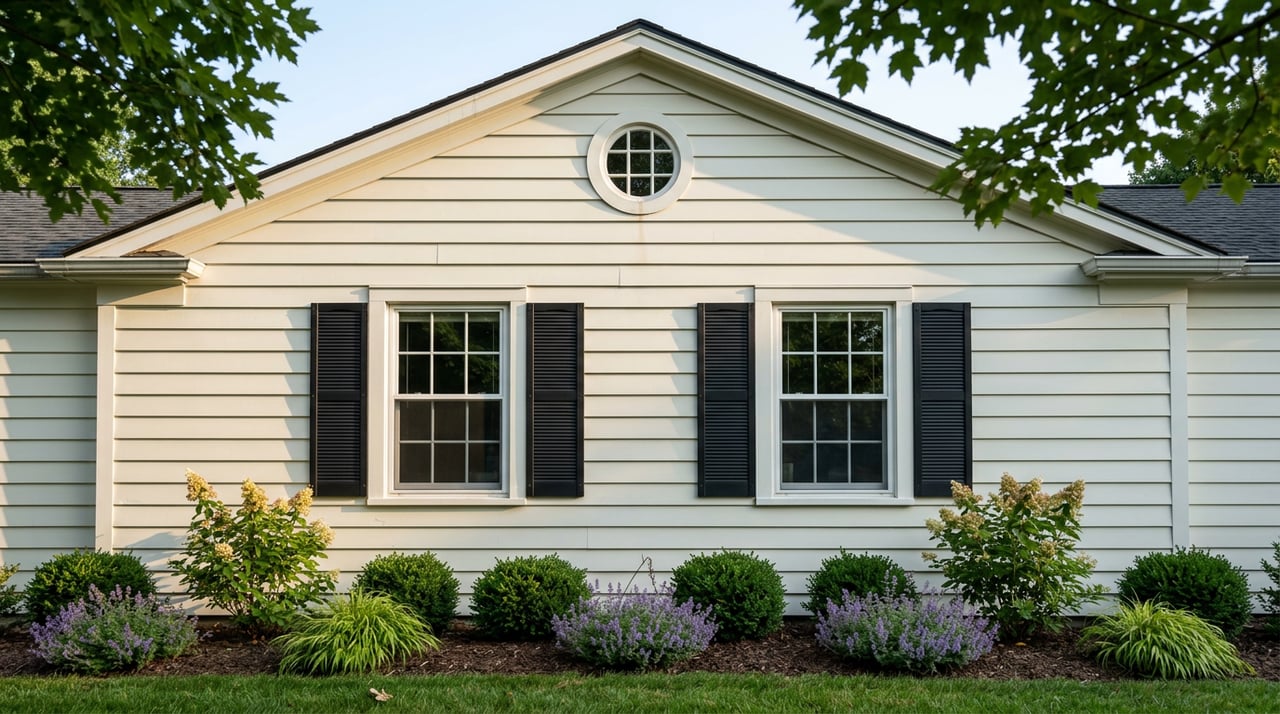
- Village of Warwick: older historic architecture, smaller lots, and a more walkable in-town feel
- Greenwood Lake: cottages, converted seasonal homes, waterfront and near-water homes, and a recreation-driven setting
- Florida and Pine Island: farmhouses, capes, ranches, and homes tied to agricultural land and larger parcels
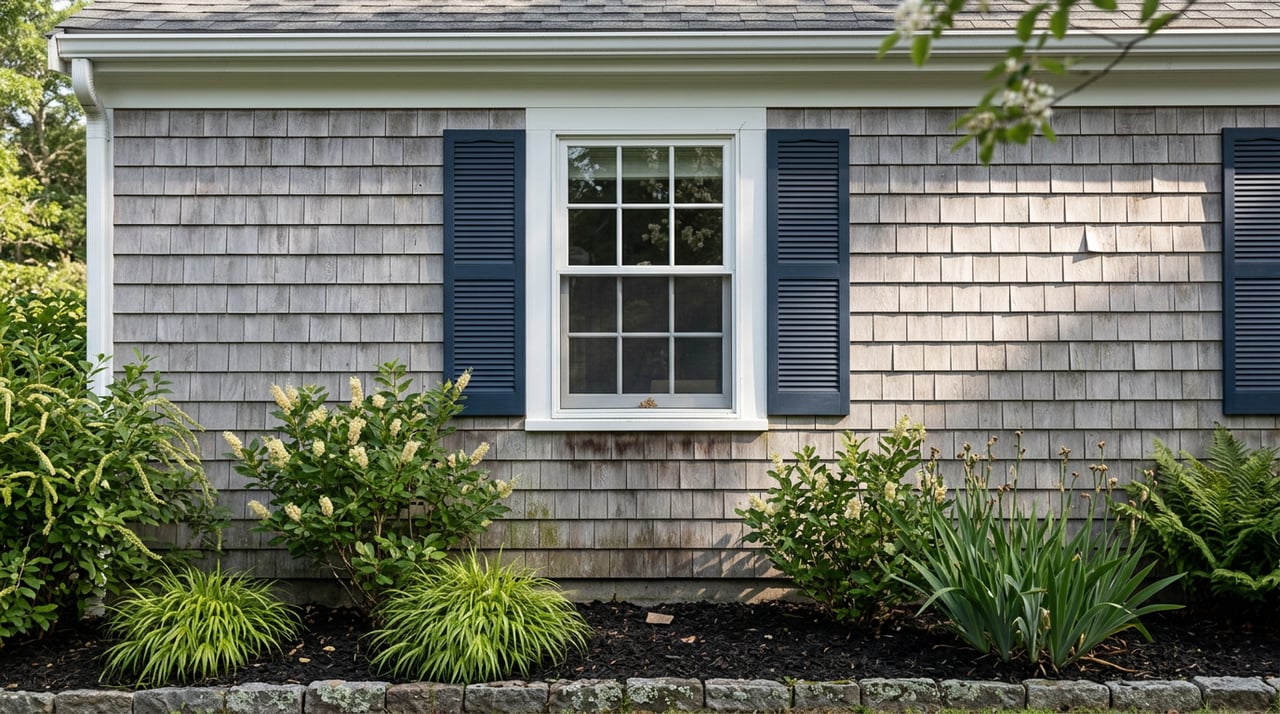
- Bellvale, Edenville, New Milford, Amity, and Sterling Forest: older country homes, wooded lots, and scattered newer builds in more rural settings
This framework is useful because it helps you focus on how you want to live, not just what you want to buy. In Warwick, your best-fit area often comes down to whether you value convenience, water access, open land, or privacy most.
How to Choose the Right Warwick Pocket
Start With Your Daily Routine
Before you tour homes, think about what you want your normal week to feel like. If you want to be closer to cafes, shops, and a traditional downtown setting, the Village of Warwick may rise to the top.
If lake access and a recreation-focused environment matter more, Greenwood Lake may be a better match. If your priority is land, garden space, or a more agricultural setting, Pine Island or Florida may fit better.
If what you want most is a wooded or quiet country setting, the hamlets and eastern mountain-edge areas may be the strongest fit. Warwick gives you options, but those options make more sense when you start with lifestyle first.
Know That Warwick Is Not One Market
This is the key takeaway for buyers: Warwick is a town of different micro-markets, not one housing type. A home search here tends to go better when you compare areas by setting, lot pattern, and daily routine instead of assuming every part of town offers the same experience.
That approach can help you narrow your list faster and tour with more confidence. It also makes it easier to spot which homes truly match your goals and which ones only look good on paper.
If you are planning a move in Warwick or comparing Warwick with nearby Hudson Valley and northern New Jersey options, The Ramundo Team is here to help you sort through the details and find the right fit for your next chapter.
FAQs
What makes Warwick, NY neighborhoods feel so different from each other?
- Warwick covers about 107 square miles and includes village centers, lake areas, farmland, hamlets, and mountain terrain, so housing patterns and daily lifestyle can change a lot from one area to another.
What home styles are common in the Village of Warwick?
- The Village of Warwick has a strong concentration of older architecture, including Greek Revival, Queen Anne, Colonial Revival, Tudor Revival, English Cottage, Victorian Gothic, French Victorian, and bungalow-style homes.
What types of homes should buyers expect near Greenwood Lake?
- Buyers near Greenwood Lake often see lake cottages, smaller year-round homes, renovated older houses, and some waterfront or near-water properties rather than a standard subdivision layout.
What is the Pine Island area of Warwick known for?
- Pine Island is closely tied to Warwick’s Black Dirt Region and is generally known for its agricultural setting, larger parcels, privacy, and homes that may include farmhouses, capes, ranches, or outbuildings.
Which Warwick areas feel the most rural or wooded?
- Bellvale, Edenville, New Milford, Amity, and Sterling Forest tend to feel more rural or wooded, with country roads, older homes, lower-density housing patterns, and more natural surroundings.
How should buyers choose the best part of Warwick, NY?
- The best way to choose is to start with your lifestyle priorities, such as walkability, lake access, open land, or privacy, and then focus your search on the Warwick pocket that best matches that routine.