Thinking about selling your Pearl River home but not sure where to start? You are not alone. Even in a strong market, the best results come from smart prep, accurate pricing, and a clear plan. In this guide, you will learn exactly how to get your home market‑ready, price with confidence, handle New York disclosures, and market to the buyers most likely to pay top dollar. Let’s dive in.
Pearl River market snapshot
Pearl River remains a competitive market. As of January 2026, Redfin reports a median sale price of about $705,000 and describes local conditions as very competitive, with many homes selling at or above list price. You can use that as a directional benchmark while focusing on recent comparable sales on your street.
For broader context, Zillow’s county‑level home value index shows Rockland County’s typical values in the low to mid $700,000s. That aligns with Pearl River’s pricing and reflects steady demand from family and commuter buyers. The takeaway is simple: presentation and precise pricing matter because buyers have choices, yet they will compete for homes that feel move‑in ready.
Redfin’s Pearl River market page | Zillow’s Rockland County values
Who’s buying your Pearl River home
Pearl River attracts family buyers and commuters who value convenience and consistency. Many buyers work in Manhattan or Bergen County and want an easy trip to the office with suburban comfort at home. That is why commute and turnkey condition show up at the top of most wish lists.
Commuters will notice proximity to the Pearl River Station on NJ Transit’s Pascack Valley Line and area bus options to Port Authority. You can highlight station access and typical routing in your listing copy. For a quick reference on the local station and service, see Moovit’s Pearl River Station summary.
School information also matters to many buyers. The Pearl River School District publishes district data and quick statistics you can reference in a neutral way. When you market your home, point to district resources rather than ratings language. Review the district’s quick statistics page before you list so you can answer common questions.
Prep that maximizes value
Small improvements can create big gains in photos and showings. Focus on items that remove buyer objections and make your home feel fresh.
High‑impact fixes
- Address safety and major systems first. Fix roof leaks, electrical hazards, HVAC issues, and any signs of water intrusion. These items can derail an appraisal or inspection if ignored.
- Refresh with paint and lighting. Neutral interior paint and updated light bulbs or fixtures brighten rooms and help listings pop online.
- Improve floors. Refinish hardwoods or replace worn carpet with durable, neutral flooring. Clean, modern floors signal move‑in readiness.
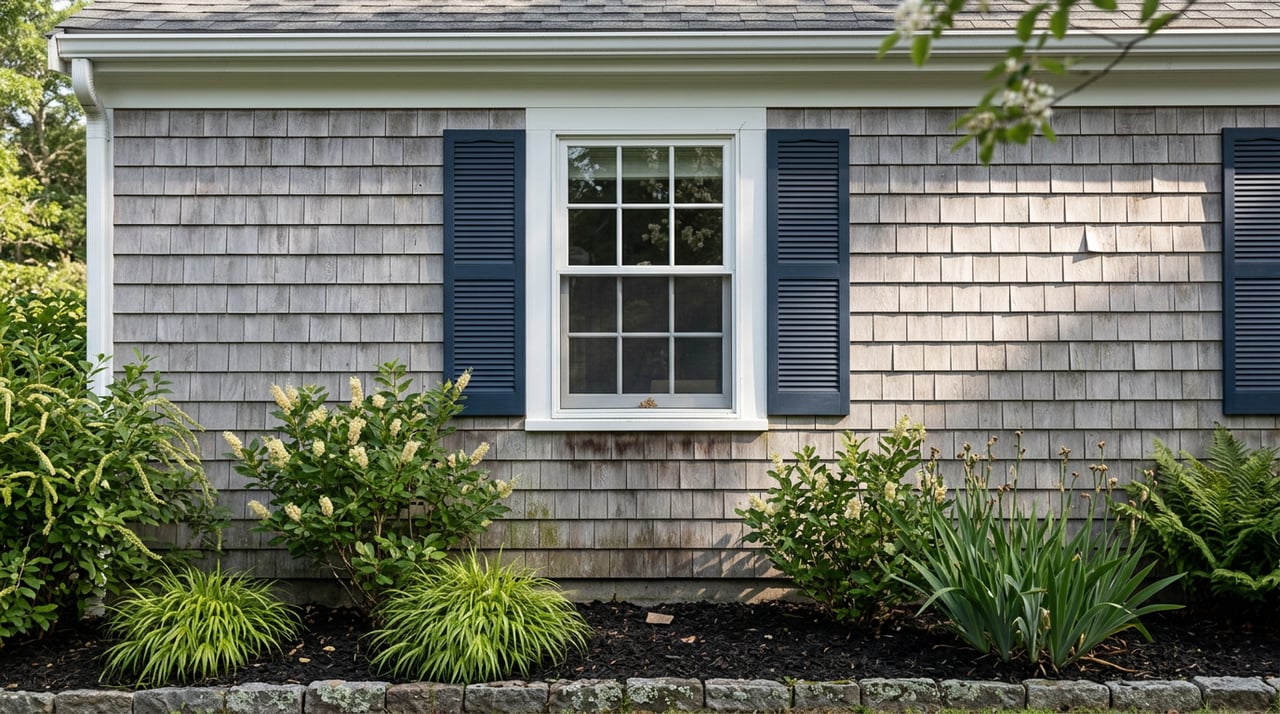
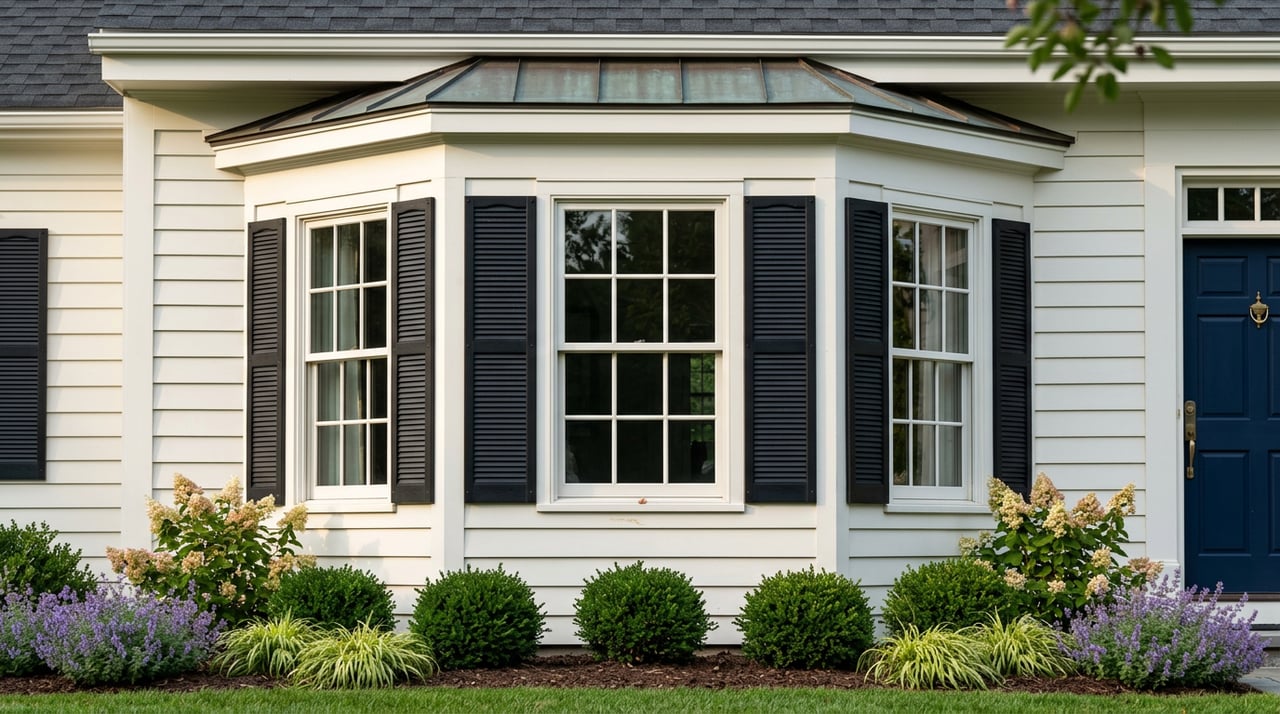
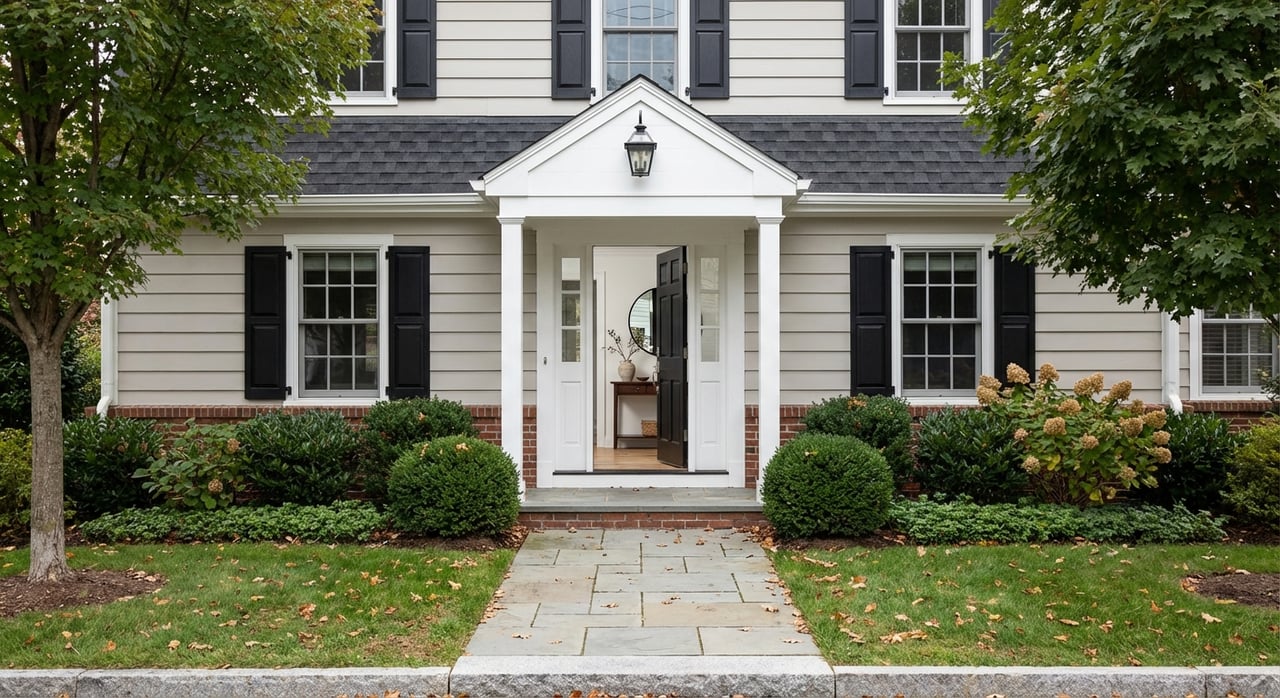
- Boost curb appeal. Tidy landscaping, a clean walkway, and a refreshed front door set the tone before buyers step inside.
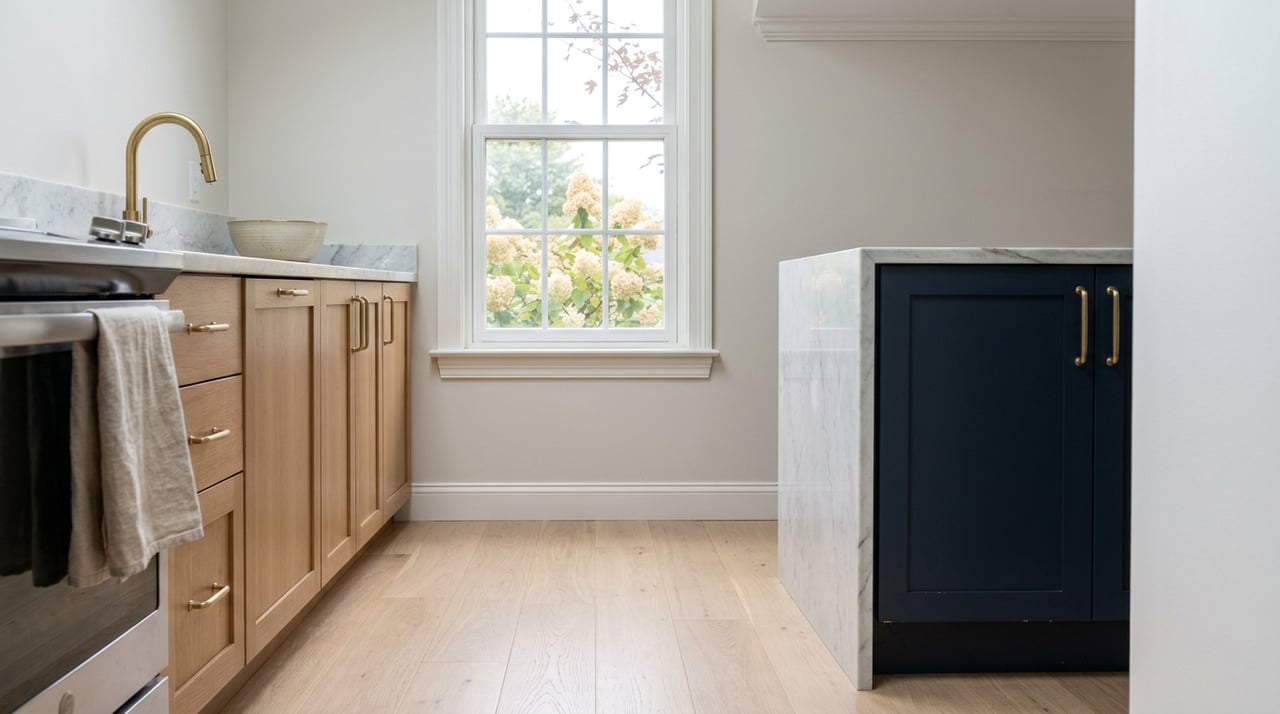
- Consider a minor kitchen refresh. New cabinet hardware, updated counters, or midrange appliances often deliver solid perceived value compared with a full remodel, which is rarely necessary for sale.
Industry cost-versus-value reports consistently show strong returns for entry-door, garage-door, and light kitchen updates, especially when combined with fresh paint and curb appeal.
Staging and photography
Staging helps buyers visualize the space and can lead to higher offers, according to industry surveys summarized by NAR and covered by Investopedia’s staging overview. At a minimum, declutter, depersonalize, and style key rooms. Pair staging with professional photography, a floor plan, and a 3D walkthrough to engage out‑of‑area commuters who screen listings online first.
Pricing strategy and launch
Build a local CMA
Use a current comparative market analysis built from OneKey MLS comps near your home. Redfin’s latest data shows a median sale price near $705,000, but pricing in Pearl River varies block by block. Focus on sold homes with similar size, condition, and school‑district lines to set your target range.
Launch to drive demand
In segments with high buyer activity, consider pricing at market or slightly below to maximize showings the first week. If multiple offers are likely, set a clear offer deadline to keep the process fair and organized. If your segment is more balanced, choose a competitive price and be ready to evaluate normal contingencies. For any appraisal‑gap language or unusual terms, consult your attorney before accepting.
Required New York disclosures
New York law requires the Property Condition Disclosure Statement (PCDS) for most one‑to‑four family home sales. You must deliver the completed PCDS to the buyer before they sign a binding contract, and a signed copy should be attached to the contract. Review the statute text and speak with your attorney about how to complete the form accurately. Read the law at New York Real Property Law §462.
If your home was built before 1978, federal lead‑based paint disclosures apply. Be prepared to share permits, improvement histories, and any elevation or flood information. The PCDS includes flood questions, so gather your documentation early.
Rockland County has a higher‑than‑average property tax burden, which is a real factor for suburban buyers. Include your latest annual tax bill in the listing packet and be ready to explain quarterly payments. For context on county tax levels, see ATTOM’s 2024 property tax analysis.
Showings, offers, and negotiations
Plan for a strong first week. Host a broker open if appropriate, plus a well‑timed public open house. Confirm that buyers have pre‑approval letters and encourage their agents to review the disclosure packet before touring. The more information you provide upfront, the smoother the offer and inspection phases will be.
When offers arrive, look beyond price. Review closing timelines, inspection and mortgage contingencies, appraisal terms, and any requests for credits. If you expect multiple offers, set a firm deadline and provide clear instructions. Your agent and attorney can help you compare terms and choose the cleanest path to closing.
Timeline and attorney role in New York
Once a buyer and seller agree on terms, New York transactions commonly take 30 to 60 days from contract to closing. During that period, the buyer completes inspections and the lender orders the appraisal. Title work is finalized and attorneys prepare closing documents.
In New York, it is customary to work with a real estate attorney for contract review and closing. Many lenders and title companies expect it. Budget for counsel fees and lean on your attorney for guidance about contingencies, riders, and disclosure obligations. For consumer context, see FindLaw’s overview of using a lawyer in real estate.
What it costs to sell
Agent commissions vary and are negotiable. Industry surveys show national averages near 5.5 to 5.6 percent, split between the listing and buyer brokers. On a $700,000 sale, that equals roughly $38,500 at 5.5 percent. For a clear explanation of how commissions work, review Bankrate’s guide to typical agent fees.
You will also have other seller costs. In our area, plan for 1 to 2 percent of the sale price to cover transfer taxes, title charges, prorated taxes and utilities, and attorney fees, plus any agreed credits to the buyer. Ask your agent for a custom net sheet so you know your proceeds before you launch.
Marketing that works in Pearl River
The buyers most likely to compete for your home are screening listings online and thinking about commute and schools. Your plan should meet them where they are.
- MLS listing and syndication. Enter complete data, a floor plan, and accurate remarks. Provide a broker packet with recent updates, utility info, and annual taxes to reduce friction.
- Premium media. Use professional photos (including golden‑hour exteriors), a labeled floor plan, and a 3D tour or video to attract relocation and commuter buyers.
- Targeted digital ads. Geo‑target Manhattan, Bergen, and Westchester ZIPs with creative that features commute times, transit options, and district information.
- Broker outreach. Email active buyer agents, host a weekday broker open, and follow up with detailed property notes.
- Offline touches. Place tasteful print in commuter parking areas where permitted and time open houses around transit schedules.
Step‑by‑step timeline and checklist
Use this simple roadmap to stay on track.
- 6 to 8 weeks before listing:
- Gather tax bills, survey, permits, warranties, and any HOA docs. Order a title inquiry if you are unsure about open permits or liens.
- Consider a pre‑listing home inspection to surface major issues early.
- 4 to 6 weeks before listing:
- Complete essential repairs for roof, HVAC, electrical, and any water issues.
- Repaint main living areas, refresh lighting, and boost curb appeal with trimming, mulch, and power‑washing.
- Finalize a staging plan and book your photographer.
- 2 to 3 weeks before listing:
- Shoot professional photos, floor plan, and a 3D tour. Draft MLS remarks that highlight commute and district resources.
- Prepare the broker packet with disclosure forms, tax bills, utilities, and improvement lists.
- Launch week (days 0 to 14):
- Publish to MLS, host a broker open, and schedule a public open house.
- Track showings, collect feedback, and set an offer deadline if activity is high.
- Contract to close (30 to 60 days):
- Coordinate inspections and appraisal. Attorneys finalize documents and clear title. Address any repair requests or credits and plan your move.
Estimated prep costs vary by home size and condition. As a guide, many sellers invest roughly $800 to $3,000 for occupied staging or $1,500 to $5,000 for a month of vacant staging, $400 to $900 for photography and a floor plan, $1,000 to $8,000 for minor repairs and paint, and more for select kitchen refreshes. The exact return depends on your price point and competition.
Pearl River seller tips
- Lead with commute. Call out the Pearl River Station and bus routes, plus typical transfer points, to connect with commuter buyers.
- Share district resources. Link to neutral district pages for factual information rather than using ranking language.
- Be transparent on taxes. Rockland’s tax levels are a factor for many buyers. Include the annual bill in your packet and be ready to explain.
- Disclose early. Provide flood information, permits, and improvement histories upfront to build trust and speed decisions.
- Watch the first weekend. Strong launch weeks deliver the best leverage. Price precisely and respond to showing requests quickly.
Ready to make a move?
If you want a smooth sale with confident pricing, polished marketing, and clear guidance from contract to close, we are here to help. As a family‑led team with deep reach across Rockland and nearby NY‑NJ markets, we pair professional presentation with personal care. Let’s create a plan that fits your timeline and goals. Connect with The Ramundo Team to get started today.
FAQs
How long does it take to sell a home in Pearl River?
- In a very competitive market, many homes secure offers within the first couple of weeks of showings, and New York closings typically run 30 to 60 days from contract depending on lender and title.
What documents do I need to list my Pearl River home?
- Gather your latest property tax bill, prior permits and surveys, utility info, warranties, completed disclosure forms, and any flood or elevation documents for a clean launch.
Do I have to complete New York’s Property Condition Disclosure?
- Yes, for most one‑to‑four family sales you must provide the PCDS to the buyer before they sign a binding contract, and a signed copy should be attached to the contract per state law.
What should I budget to get my home ready?
- Many sellers invest a few thousand dollars for paint, minor repairs, staging, and photography, with larger updates like a light kitchen refresh adding more based on scope and materials.
How do buyer financing and appraisal affect my sale?
- Most buyers use mortgages, so the home must appraise; if offers exceed likely appraised value, discuss appraisal‑gap strategies and risks with your agent and attorney before accepting.
Are Pearl River property taxes a concern for buyers?
- Rockland County has higher average tax bills than many areas, so include your annual tax amount in the listing packet and be prepared to explain payment schedules and exemptions.